Incorporating Luxury Materials in Elegant Interior Design (2026)
Exploring exotic woods, precious metals, natural stone, and fine textiles: a masterclass in harmonizing opulence, functionality, and ethical sourcing.
Luxury Interior Materials: 2026 Quick-Take Summary
Incorporating luxury materials into interior design elevates living spaces through natural stone, exotic woods, precious metals, and fine textiles. Achieving an elegant aesthetic requires balancing visual opulence with practical functionality, harmonizing rich textures, prioritizing ethical sourcing, and integrating modern smart home technology seamlessly.
Designing or Renovating an Ultra-Luxury Estate in Aspen or San Francisco?
Soffia Wardy provides bespoke real estate advisory, connecting discerning buyers and estate owners with world-class interior architects, contractors, and luxury finishes.
Luxury Design Materials & Application Matrix
Material Class | Key Examples & Varieties | Ideal Interior Application | Design Harmony Focus |
|---|---|---|---|
Exotic Woods | Rich mahogany, elegant walnut, striking zebrawood | Custom cabinetry, hardwood flooring, architectural millwork | Anchors room warmth; pair with minimalist seating |
Precious Metals | Gilded gold leaf, brushed silver, antique bronze | Lighting fixtures, hardware, furniture trim, accent mirrors | Creates glamour focal points without overpowering |
Natural Stone | Calacatta marble, book-matched granite, translucent onyx | Foyer flooring, bathroom vanities, fireplace surrounds, feature walls | Imbues timeless permanence; sealed against staining |
Fine Textiles | Hand-loomed silk, rich velvet, pure cashmere | Custom upholstery, draperies, accent throw pillows, bedding | Adds tactile depth; protected from direct sun exposure |
Glass & Crystal | Optic lead crystal, mouth-blown glass, fluted glass panels | Chandeliers, architectural partitions, decorative art vessels | Refracts natural light to create an airy atmosphere |
Source: Compiled from Soffia Wardy luxury design insights, interior architecture standards, and high-end material sourcing research.
In interior design, incorporating luxury materials is a testament to sophistication, quality, and a deep appreciation for refined aesthetics. These materials: ranging from exotic woods and precious metals to sumptuous fabrics and natural stones: are not merely decorative elements. They are expressions of a lifestyle, reflections of personal taste, and a commitment to enduring beauty and physical comfort. This guide explores how luxury materials can transform ordinary spaces into bastions of elegance, providing insights into selecting and harmonizing these elements to achieve an opulent interior.
Understanding the Palette of Luxury Interior Materials
The foundation of incorporating luxury materials into interior design lies in understanding the unique physical characteristics, durability, and aesthetic values of each medium. These materials are prized worldwide for their rarity, longevity, and intrinsic beauty:
Natural Stone, Exotic Woods & Precious Metals
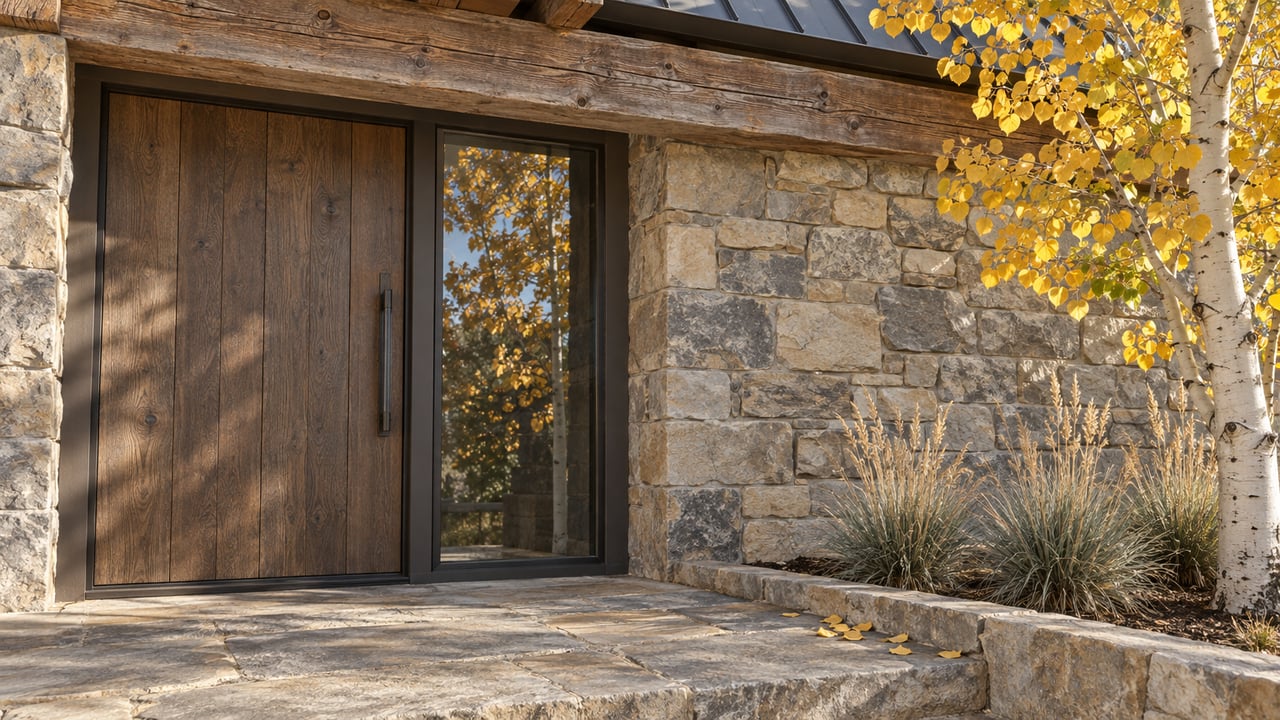
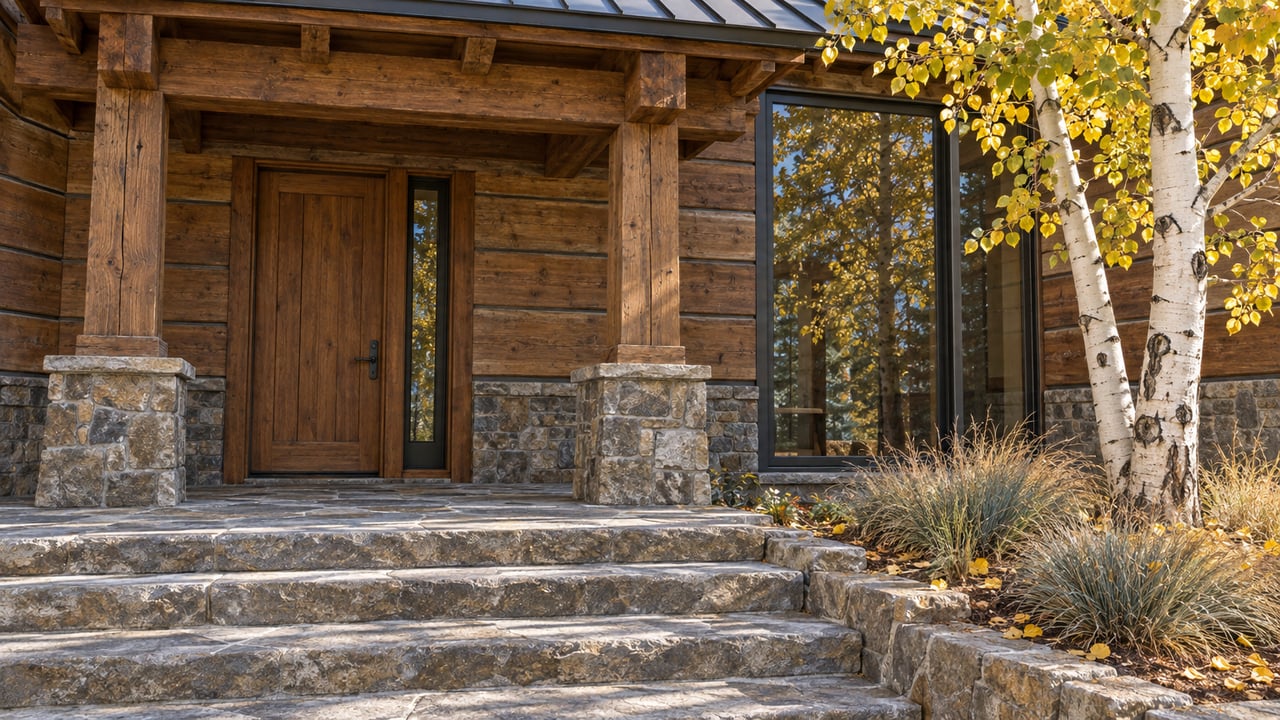
- Exotic Woods: Rich mahogany, elegant walnut, and striking zebrawood bring organic warmth and visual depth to custom furniture, hardwood flooring, and architectural millwork. Their natural grain patterns and deep colors anchor a room's palette, providing a timeless backdrop for modern design elements.
- Precious Metals: Gold leaf, brushed silver, polished brass, and antique bronze accents in lighting fixtures, hardware, and furniture frames introduce glamour and refinement. Used judiciously, metal highlights create compelling focal points without cluttering the visual landscape.
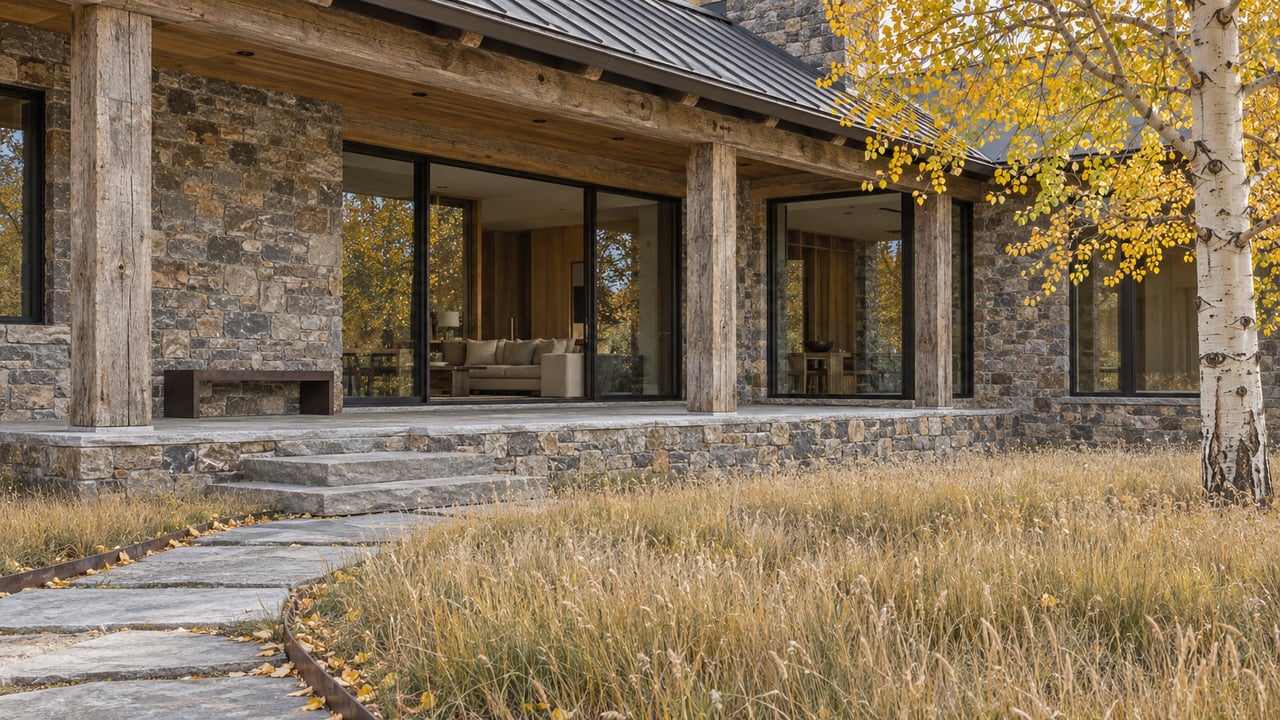
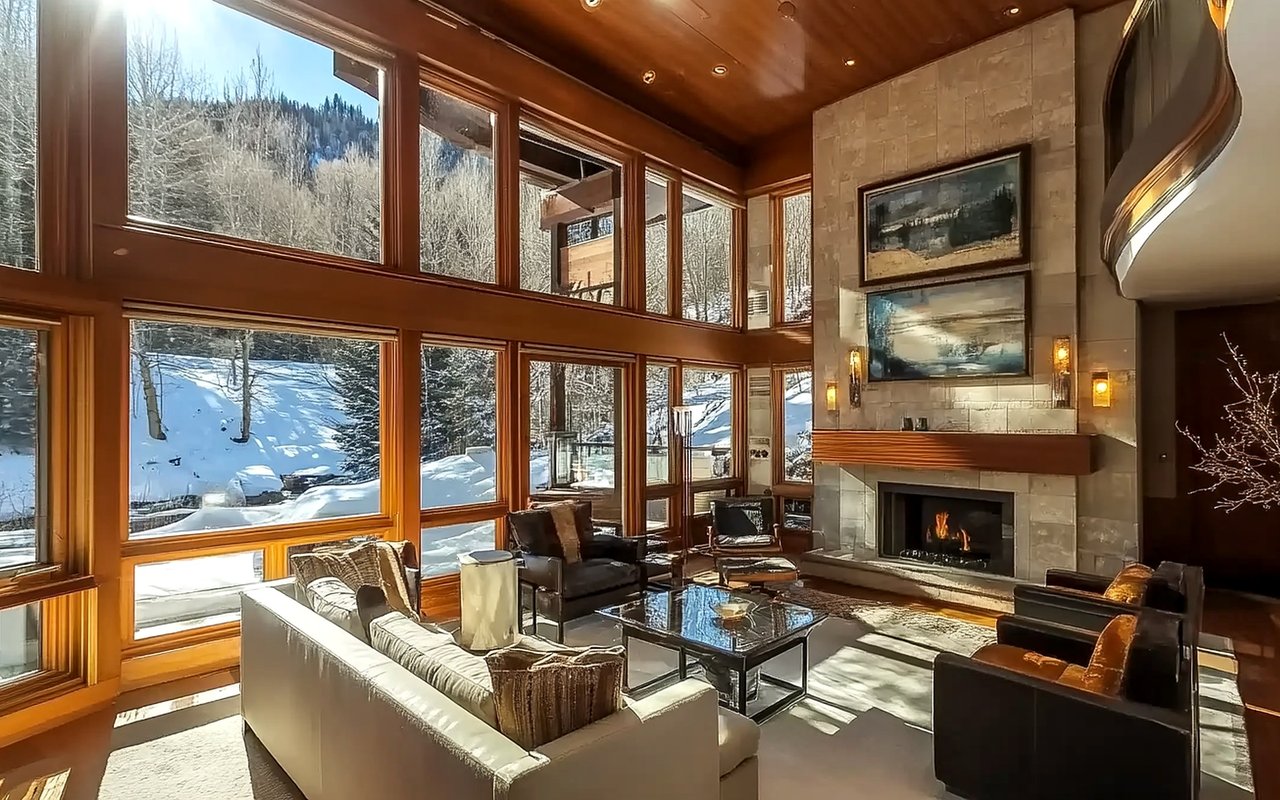
- Natural Stone: Marble, granite, and translucent onyx are natural masterpieces of Earth's history, each defined by unique veining and mineral coloration. Used in foyer flooring, kitchen countertops, and feature walls, natural stone imbues interiors with a sense of permanence and grandeur.
Fine Textiles, Glass & Architectural Crystal
- Fine Fabrics: Hand-loomed silk, deep velvet, and pure cashmere offer tactile textures that feel as luxurious to the touch as they appear to the eye. Custom upholstery, tailored draperies, and bespoke bedding crafted from fine textiles add layers of comfort and acoustic softening to any room.
- Glass & Crystal: Beyond standard float glass lies the optical clarity and sparkle of fine lead crystal and mouth-blown art glass. Integrated into statement chandeliers, sconces, and decorative vessels, crystal refracts ambient light to add airy elegance across high-ceilinged spaces.
Balancing Aesthetics & Practical Functionality
While the allure of luxury materials is undeniable, their incorporation into interior design must carefully balance visual opulence with practical functionality. Each material should be selected not only for its immediate beauty but also for its suitability to the room's daily purpose and the occupants' lifestyle.
For example, while polished Calacatta marble is a breathtaking choice for a grand entry foyer or master bath, its porous nature and susceptibility to acid etching require consideration before installation on high-traffic kitchen islands. Similarly, hand-woven silk draperies transform a formal living room or dining room, but may require UV-filtering window treatments to prevent sun fading in south-facing solariums.
Harmonizing High-Impact Materials with Architectural Elements
The key to a successful interior that incorporates luxury materials is aesthetic harmony. High-impact materials should complement, rather than compete with, the room's overall color scheme, architectural details, and spatial proportions. A minimalist design approach: focusing on a few exquisite, high-impact focal points: prevents spaces from feeling overly ornate or visually cluttered.
For instance, a dining table crafted from rich zebrawood or live-edge walnut might be paired with tailored chairs of simpler form to highlight the wood's organic grain. Likewise, an intricate crystal chandelier serves as an ideal centerpiece when suspended above an understated, neutral-toned seating arrangement.
Sustainable & Ethical Sourcing in Luxury Design
As the global demand for rare luxury materials continues to expand, sourcing them sustainably and ethically has become a central priority for discerning homeowners and leading interior architects alike. Today's definition of true luxury extends beyond visual perfection to encompass environmental stewardship and social responsibility.
This ethical commitment includes selecting exotic hardwoods certified by sustainable forest management organizations, choosing stone quarried under low-impact environmental standards, and specifying organic silks or wools produced under fair labor practices. Incorporating luxury materials with environmental mindfulness reflects both elevated taste and conscientious living.
The Role of Technology in Modern Luxury Interiors
Technological innovation has greatly expanded the possibilities for integrating luxury materials into modern interior architecture. Advanced waterjet cutting technologies allow stone fabricators to create intricate, seamless marble inlays on floors and walls, while engineered architectural veneers offer the exotic beauty of rare wood species with enhanced dimensional stability.
Furthermore, smart home automation can be integrated directly behind luxury materials. Touch-sensitive stone control panels, hidden motorized leather-wrapped TV lifts, and automated architectural lighting controls enhance convenience without disrupting the tactile elegance of the space.
Essential Material Selection & Design Checklist
- Surface Sealing & Stone Care: Treat porous natural stones like marble and limestone with penetrating sealers to protect against etching and staining.
- Lighting & Refraction Analysis: Position crystal fixtures and metallic accents near natural light sources to maximize ambient sparkle and visual warmth.
- Textile Protection & Backing: Specify protective stain-repellent coatings and light-blocking linings for fine silk and velvet window treatments.
- Proportional Material Balance: Limit high-contrast luxury materials to 2 or 3 primary textures per room to preserve visual serenity.
Soffia Wardy | Luxury Real Estate & Interior Design Advisory
Soffia Wardy brings widespread expertise evaluating high-end residential real estate, architectural finishes, and bespoke interior design across Aspen, San Francisco, and global luxury markets. Her design advisories guide estate owners in creating timeless, functional sanctuaries of luxury.
What Generic Design Blogs Miss About Luxury Materials
Generic interior design blogs often focus exclusively on photo trends, ignoring crucial practical factors like material maintenance, structural weight load requirements for heavy stone slabs, and long-term durability. True luxury design blends high-impact visual appeal with engineering precision, ensuring that fine materials age gracefully over decades.


Soffia Wardy
PSA | Pricing Strategy Advisor
RSPS | Resort & Second-Home Property Specialist
DIAMOND AGENT | Sotheby's Concierge Auctions



Explore Soffia Wardy Luxury Lifestyle & Real Estate Guides
Discover adjacent submarket breakdowns, architectural guides, and financial advisories across Aspen and luxury resort destinations:
Frequently Asked Questions About Luxury Interior Materials
What are the most popular luxury natural stones for interiors?
Calacatta and Carrara marble, book-matched granite, quartzite, and translucent onyx are among the most sought-after natural stones for luxury foyers, bathrooms, and fireplace surrounds.
How do you combine metals in luxury interior design?
Mix one dominant metal (such as brushed brass) with one or two secondary accent metals (like antique bronze or polished nickel) across lighting, hardware, and furniture trim to create depth without visual clutter.
What exotic woods are best suited for luxury furniture and millwork?
American walnut, Honduras mahogany, and zebrawood offer exceptional grain patterns, natural warmth, and durability for custom cabinetry, hardwood flooring, and architectural millwork.
How do you ensure luxury design materials are ethically sourced?
Look for sustainable forestry certifications (FSC), ethically quarried stone, and hand-woven natural textiles produced under certified fair labor standards.