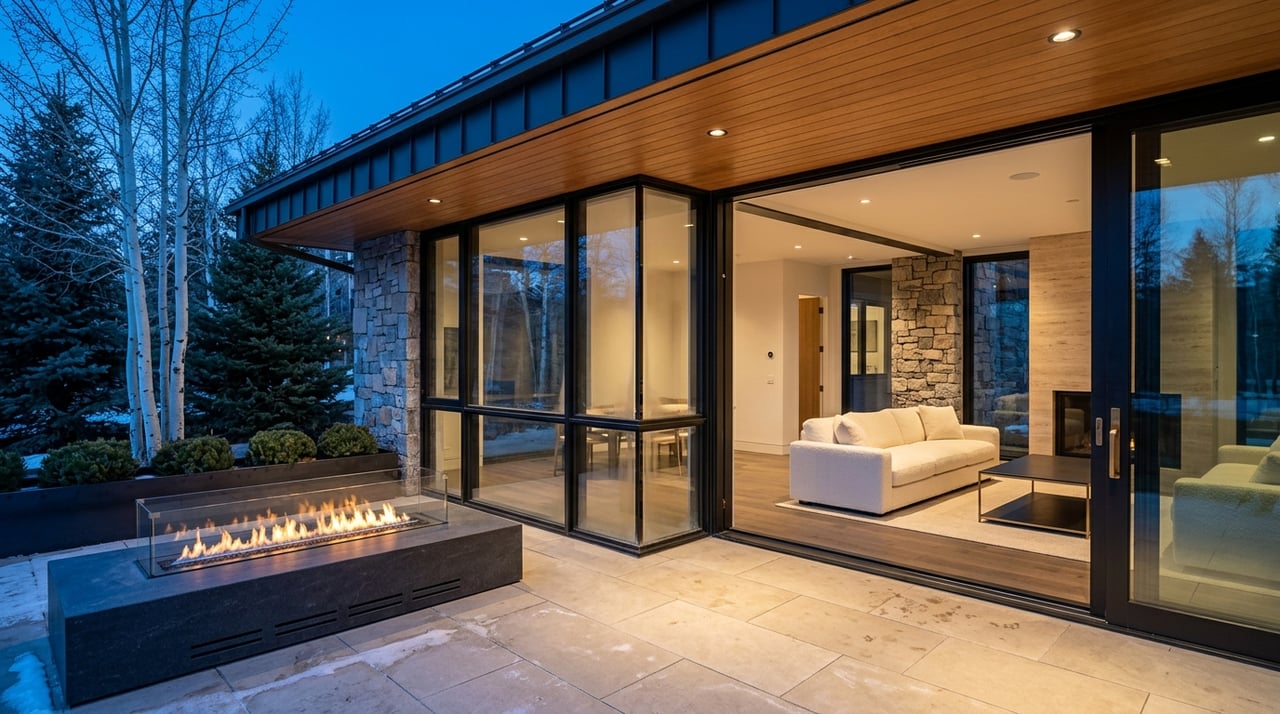
If you are deciding between an Aspen luxury condo and a private estate, the real question is not which one sounds more impressive. It is which one supports the way you want to live. Whether you want easy access to skiing and dining or more privacy, land, and control, the right fit comes from matching your property to your routine, priorities, and ownership style. Let’s dive in.
Aspen ownership starts with lifestyle
In Aspen, location and property type shape your daily experience in very different ways. Downtown is compact, walkable, and full of amenities, while properties farther out often offer more separation and a more private setting.
According to the Aspen Chamber, downtown Aspen centers around a pedestrian-friendly five-block core with shops, galleries, restaurants, and access near the Silver Queen Gondola. The Chamber also notes that there are more than 80 eateries downtown alone, which helps explain why many buyers see central Aspen as a place where you can do a lot without getting in the car.
That contrast matters when you compare condos and estates. A luxury condo or penthouse often supports a lock-and-leave, low-friction routine. A private estate often offers more room, more privacy, and more owner control, but usually asks more from you in return.
Why Aspen condos appeal to many buyers
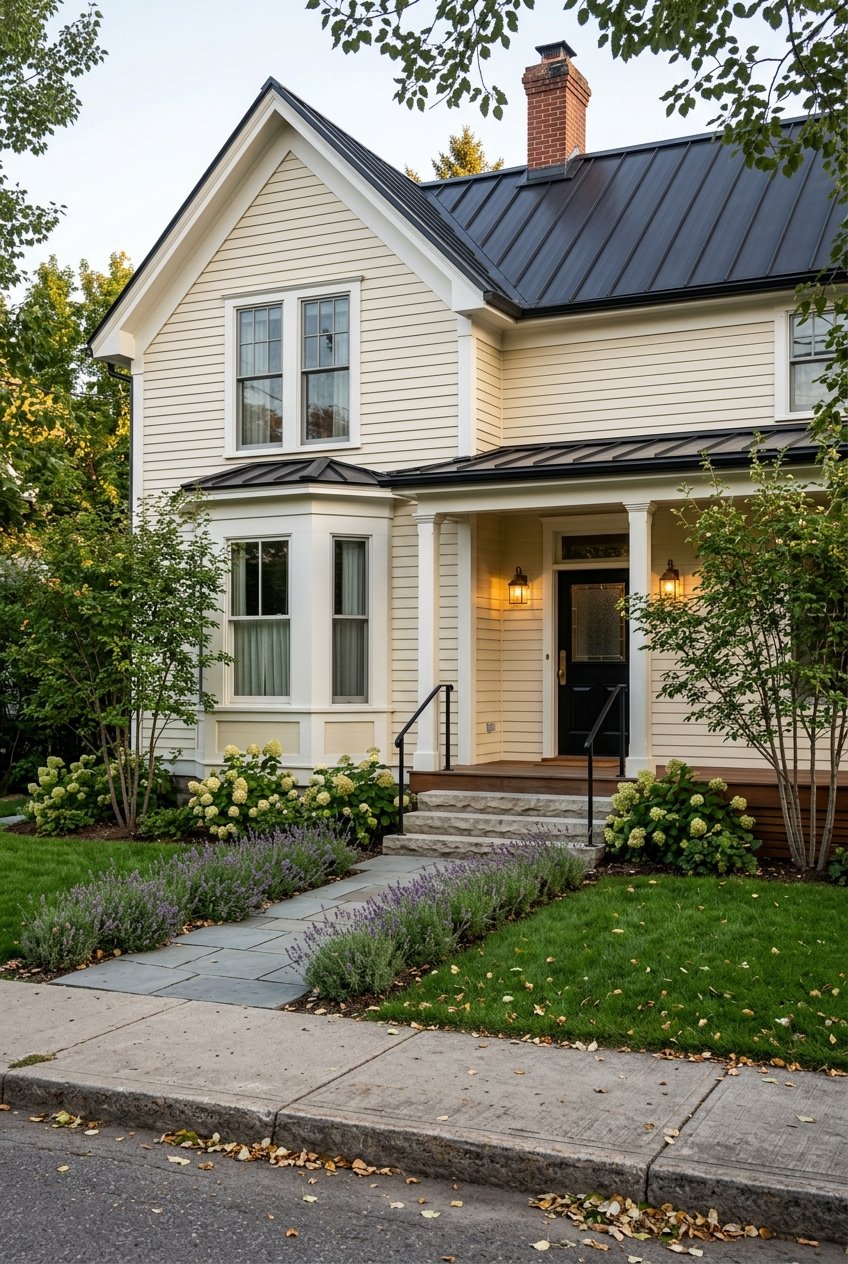
For many second-home buyers, a downtown Aspen condo offers a simple kind of luxury. You can be close to lifts, restaurants, shopping, and cultural amenities while reducing some of the maintenance demands that come with a detached home.
This is especially relevant in Aspen because the city supports a car-light lifestyle. The City of Aspen runs free shuttles to offices, trailheads, ski lifts, and other destinations, along with free bus service between Aspen and the Aspen-Pitkin County Airport and fare-free service to Snowmass Village.
That kind of access can make condo living feel highly efficient. If you want to arrive, enjoy Aspen, and leave without managing a larger property, a condo or penthouse may align well with your goals.
Condo ownership can reduce daily upkeep
Colorado treats condos as part of a common-interest community structure. The Colorado Division of Real Estate explains that associations are generally responsible for common elements, while owners are responsible for the unit itself.
In practical terms, that means many building-related tasks are handled through the association rather than directly by you. Regular assessments commonly cover maintenance, landscaping, insurance, legal fees, and other operating costs.
For buyers who travel often or use Aspen as a seasonal retreat, that structure can feel more manageable than caring for a large standalone residence. It can also create more predictability around routine property care, even though you still need to review the association documents closely.
Downtown convenience is a major advantage
A central Aspen condo is often about access as much as design. You may be able to walk to dining, retail, galleries, and ski infrastructure in a matter of minutes.
That can change how you use the property. Instead of planning around drives, parking, and home maintenance, your routine may feel more connected to town life: ski, dine, stroll, attend events, and return home with minimal logistics.
For buyers who want Aspen to feel active, social, and easy to navigate, this ownership profile can be a strong match.
Condo tradeoffs are important to understand
Low maintenance does not mean no complexity. Condo ownership comes with shared governance, recurring assessments, and rules that may affect parking, pets, or use of common spaces.
The Colorado Division of Real Estate notes that buyers should review the declaration, budget, reserve history, and any rules that affect how the property can be used. Special assessments can also arise for repairs, replacements, unexpected expenses, new construction, or reserve funding.
Privacy is another factor. In most condo settings, you are sharing walls, systems, or common areas, which usually creates a different experience from a detached estate.
Why Aspen estates offer a different kind of luxury
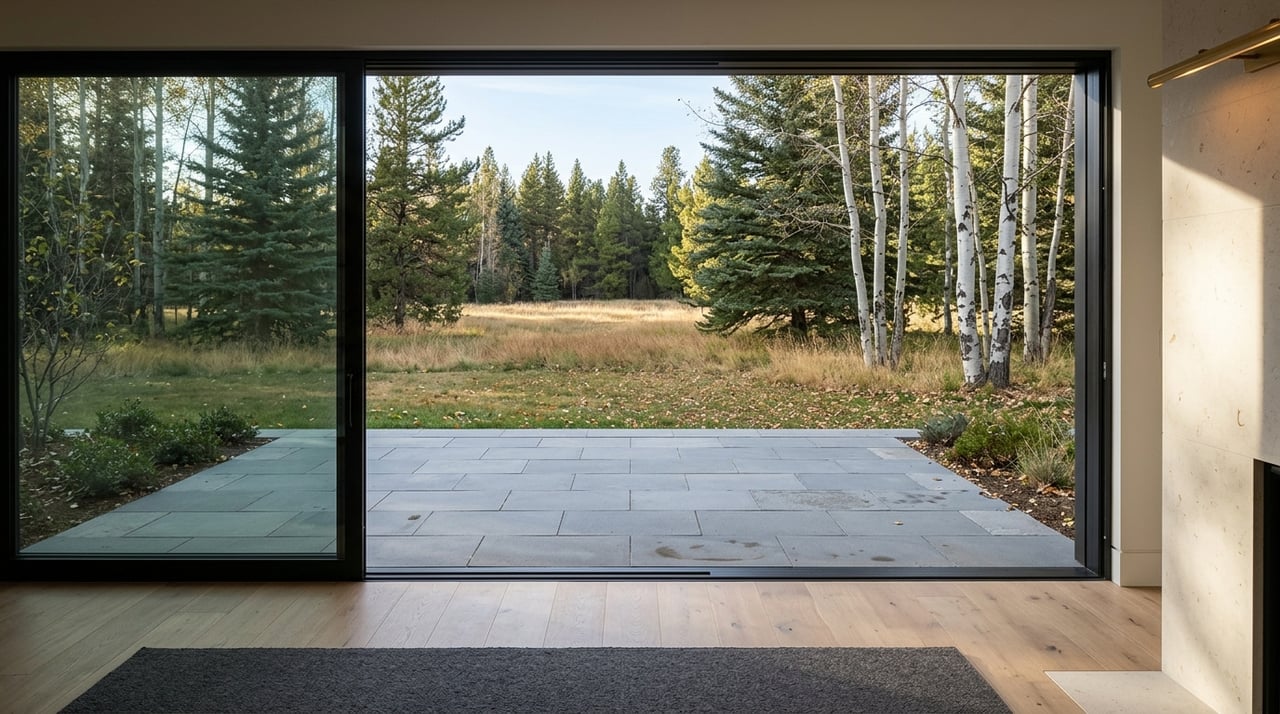
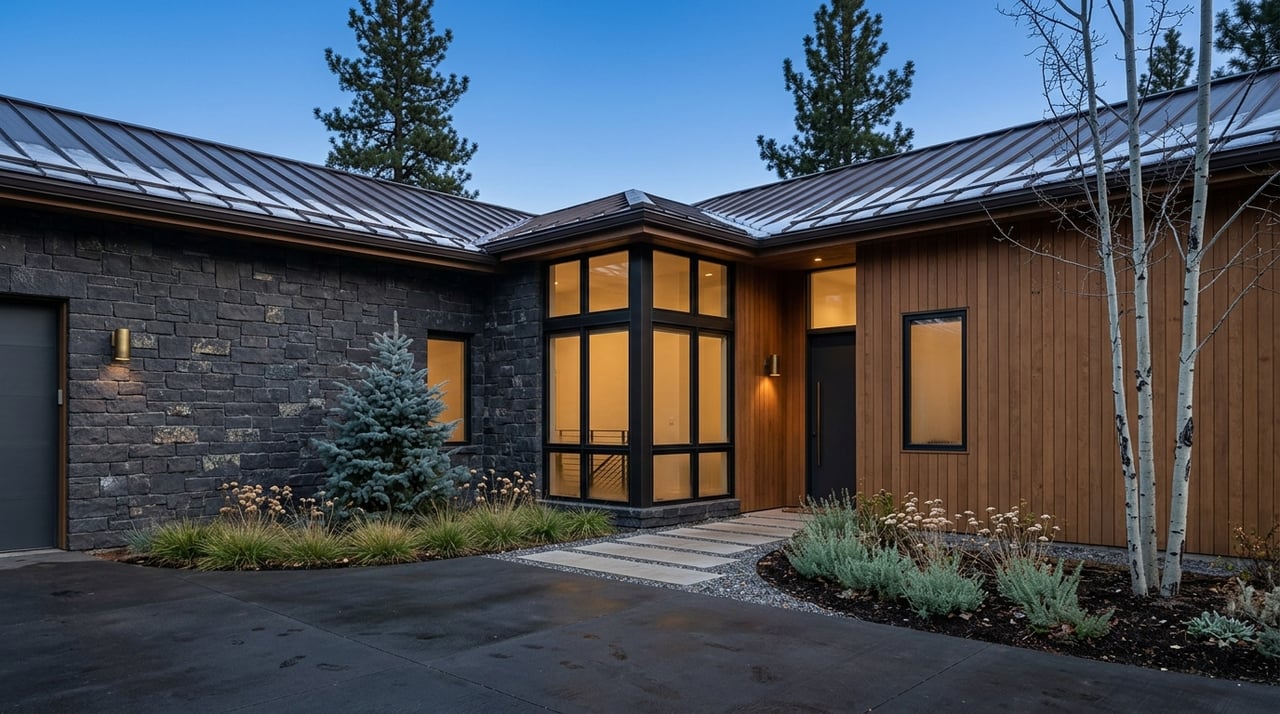
If your idea of Aspen living centers on space, privacy, and a more tailored environment, an estate outside the downtown core may be the better fit. These properties often appeal to buyers who want a more self-contained retreat, room for guests, and a setting that feels removed from the pace of town.
This is where Aspen ownership becomes more land-driven. Instead of prioritizing walkability and convenience, you may be prioritizing views, outdoor areas, and a sense of seclusion.
That lifestyle can be compelling, but it also comes with more operational responsibility. In most cases, the estate model offers more autonomy because you are not sharing governance in the same way as a condo owner, yet that greater control typically brings more decision-making and oversight.
More privacy often means more owner responsibility
Pitkin County notes that properties in unincorporated areas may be subject to planning guidance, including Activity Envelope and Site Plan Review for certain development. The county also says owners need to review both private covenants and public approvals because restrictions can differ.
For you as a buyer, that means an estate may offer more flexibility in how the property lives and feels, but not without careful due diligence. Improvements, access, and site-specific conditions can all shape what ownership actually looks like.
Pitkin County also warns in its rural living guidance that some remote properties may have variable utilities, infrastructure, or communication service. That is not necessarily a drawback, but it is part of the ownership profile and should be considered early.
Wildfire and access matter more on outer-ring properties
Outside town, wildfire mitigation is not a side issue. The City of Aspen says wildfire prevention is a shared responsibility across local partners, and it notes that Aspen and Pitkin County adopted the Colorado Wildfire Resiliency Code for new permits in 2026.
Pitkin County materials also explain that wildfire hazard assessment can be part of site plan review and that mitigation may be mandatory in some cases. Depending on the property, county guidance notes that severe wildfire areas can require features such as special roofing, sprinklers, water storage, or driveway changes to support emergency access.
For estate buyers, this is a useful reminder that privacy and acreage often come with added stewardship. The property may feel more independent, but it may also require more planning, upkeep, and coordination across the year.
Aspen price differences help frame the choice
Price is not the only factor, but it does help show how these categories differ in the local market. According to the Aspen Board of REALTORS August 2025 market update, Aspen single-family homes had a year-to-date median sales price of $13 million, while townhouse-condo properties had a year-to-date median sales price of $3.325 million.
That is a meaningful gap, although the same report cautions that Aspen data can swing sharply month to month because sample sizes are small. In other words, median pricing helps illustrate the difference between property types, but it should be read as context rather than a shortcut.
Still, the broader takeaway is clear. In Aspen, detached estate ownership usually asks for a larger capital commitment, while luxury condos may offer a more accessible entry into prime Aspen living, especially for buyers focused on convenience over land.
How to decide which fit is right for you
The clearest way to choose is to think about how you want to live in Aspen on an ordinary day, not just during a perfect holiday week. Your best fit usually becomes obvious once you focus on your routines, travel habits, and tolerance for property oversight.
If you picture yourself walking to dinner, getting to lifts easily, and keeping ownership simple, a downtown condo or penthouse may serve you well. If you picture quiet mornings, larger outdoor space, guest privacy, and more control over your environment, an estate may be the stronger match.
A condo may be your best fit if you want:
- Walkability in central Aspen
- Easy access to dining, galleries, and shopping
- A car-light routine supported by local transit and shuttles
- Lower day-to-day maintenance of common areas
- A lock-and-leave second-home setup
An estate may be your best fit if you want:
- More privacy and separation from the downtown core
- Larger outdoor areas or more land
- A more tailored living and entertaining environment
- Greater ownership control
- A property that functions as a private retreat
Due diligence looks different for each property type
Once you know your likely fit, the next step is focused due diligence. In Aspen, condo and estate purchases involve different questions, and those details can shape both your ownership experience and your long-term confidence in the decision.
For condos, much of the review centers on the association. For estates, much of the review centers on the land, access, approvals, and mitigation responsibilities.
Condo due diligence checklist
- Review HOA declarations and rules
- Evaluate the association budget and reserve history
- Understand regular assessments and the potential for special assessments
- Confirm parking arrangements and guest logistics
- Check any restrictions involving pets, rentals, or common-area use
Estate due diligence checklist
- Review county approvals and land-use constraints
- Confirm access and driveway conditions
- Understand wildfire mitigation obligations
- Evaluate utility and infrastructure considerations
- Check whether private covenants add limits beyond county rules
The best Aspen luxury property is the one that fits your life
In Aspen, luxury is not one-size-fits-all. A downtown condo can deliver remarkable ease, access, and simplicity, while an estate can offer privacy, space, and a more independent ownership experience.
Neither is automatically better. The better choice is the one that supports how you want to live, host, travel, and care for the property throughout the year.
If you want thoughtful guidance as you compare Aspen luxury condos, penthouses, and private estates, Soffia Wardy (CO) offers a polished, detail-driven approach tailored to your goals.
FAQs
What is the main difference between Aspen luxury condos and Aspen estates?
- Aspen luxury condos usually emphasize convenience, walkability, and lower maintenance, while Aspen estates usually emphasize privacy, land, and more owner control.
Are downtown Aspen condos a good fit for second-home buyers?
- They can be a strong fit if you want a lock-and-leave property close to skiing, dining, and shopping, with less responsibility for common-area upkeep.
What should you review before buying an Aspen condo?
- You should review HOA documents, budget and reserves, assessments, parking, and any rules related to pets, rentals, or shared-space use.
What should you review before buying an Aspen estate?
- You should review county approvals, private covenants, access, utilities, driveway conditions, and any wildfire mitigation requirements tied to the property.
Is parking a factor when choosing a downtown Aspen condo?
- Yes. The City of Aspen manages parking in the downtown core with time limits, seasonal hourly rates, and overnight restrictions, so parking logistics should be part of your decision.
Are Aspen estates outside town subject to additional property considerations?
- Yes. Depending on location, estate buyers may need to evaluate wildfire mitigation, infrastructure, communication service, utilities, and land-use review requirements.