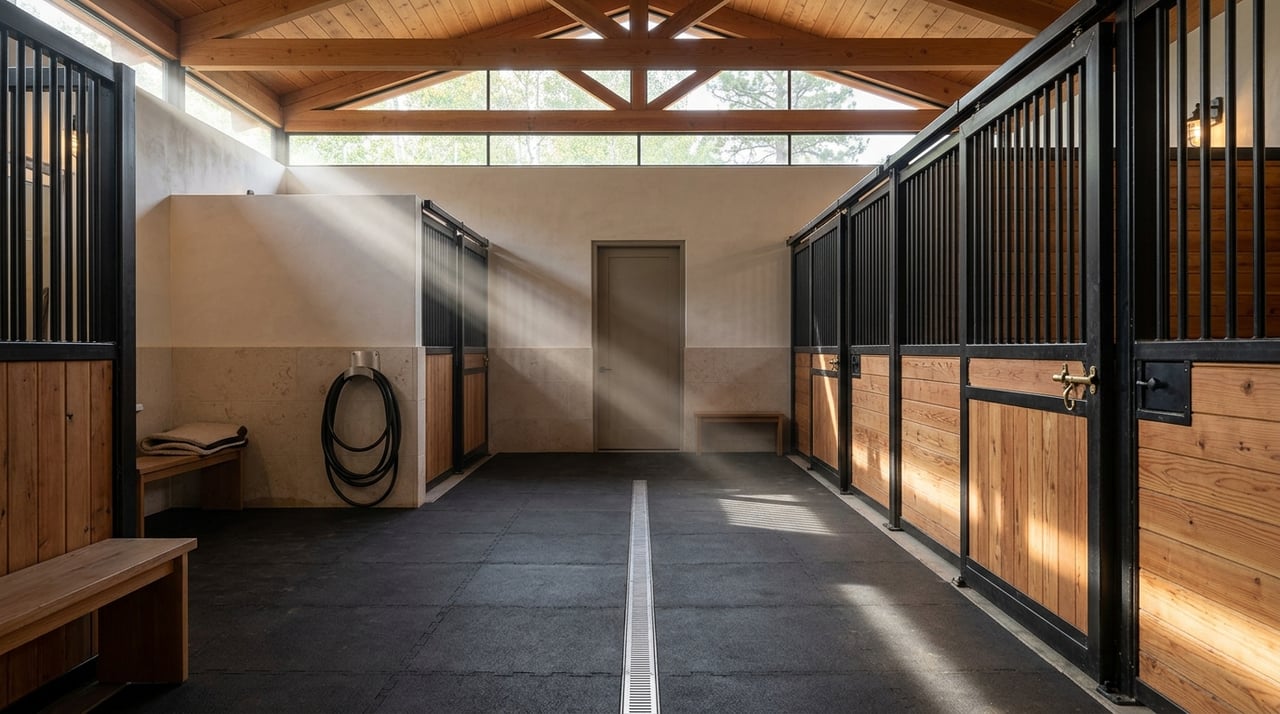
If you are drawn to the idea of horses, open land, and a quieter side of the Aspen area, Woody Creek likely stands out for good reason. This is a place where rural character still shapes daily life, and that can be both deeply appealing and important to understand before you buy. If you are considering an equestrian property here, knowing what to expect can help you match the lifestyle to the right parcel, the right infrastructure, and the right long-term plan. Let’s dive in.
Why Woody Creek Appeals to Horse Owners
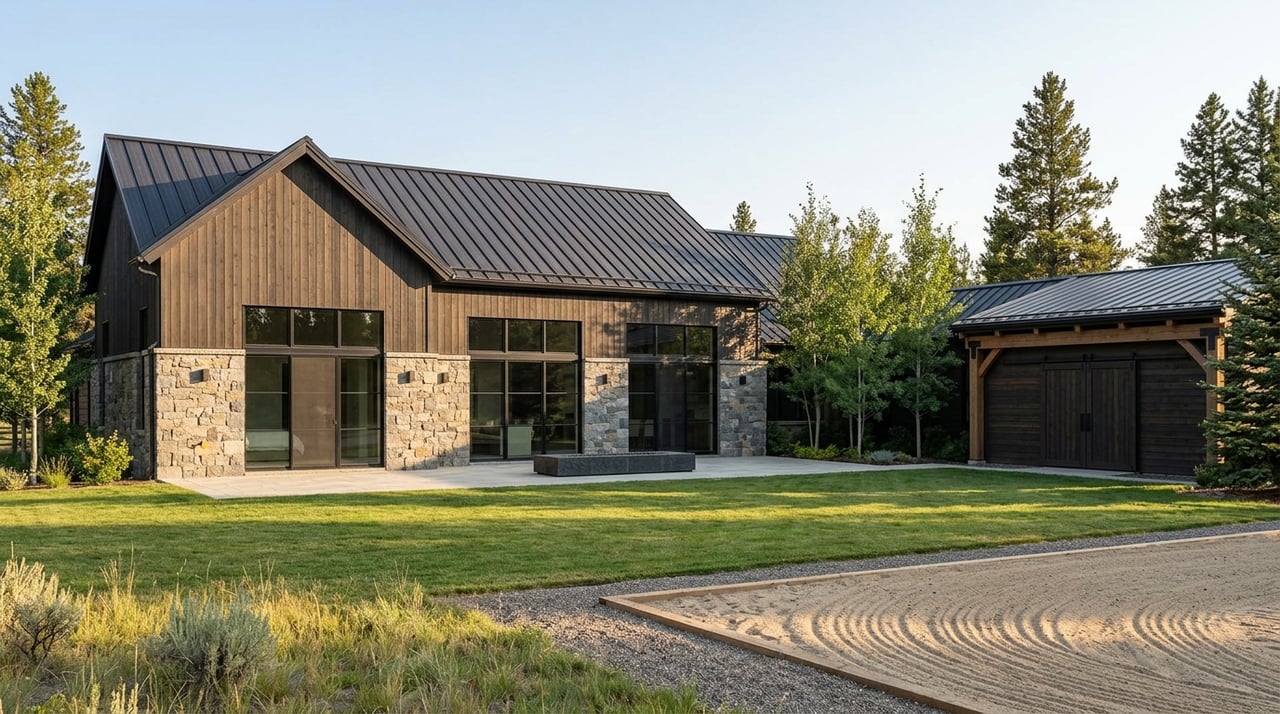
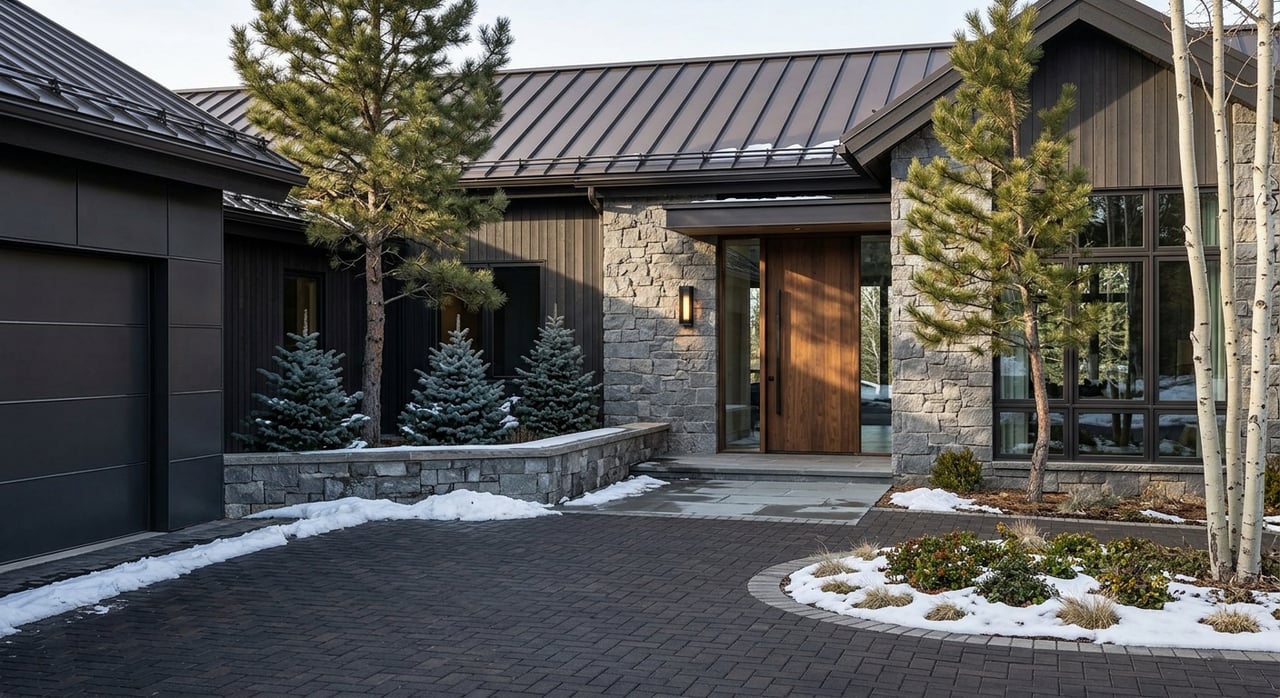
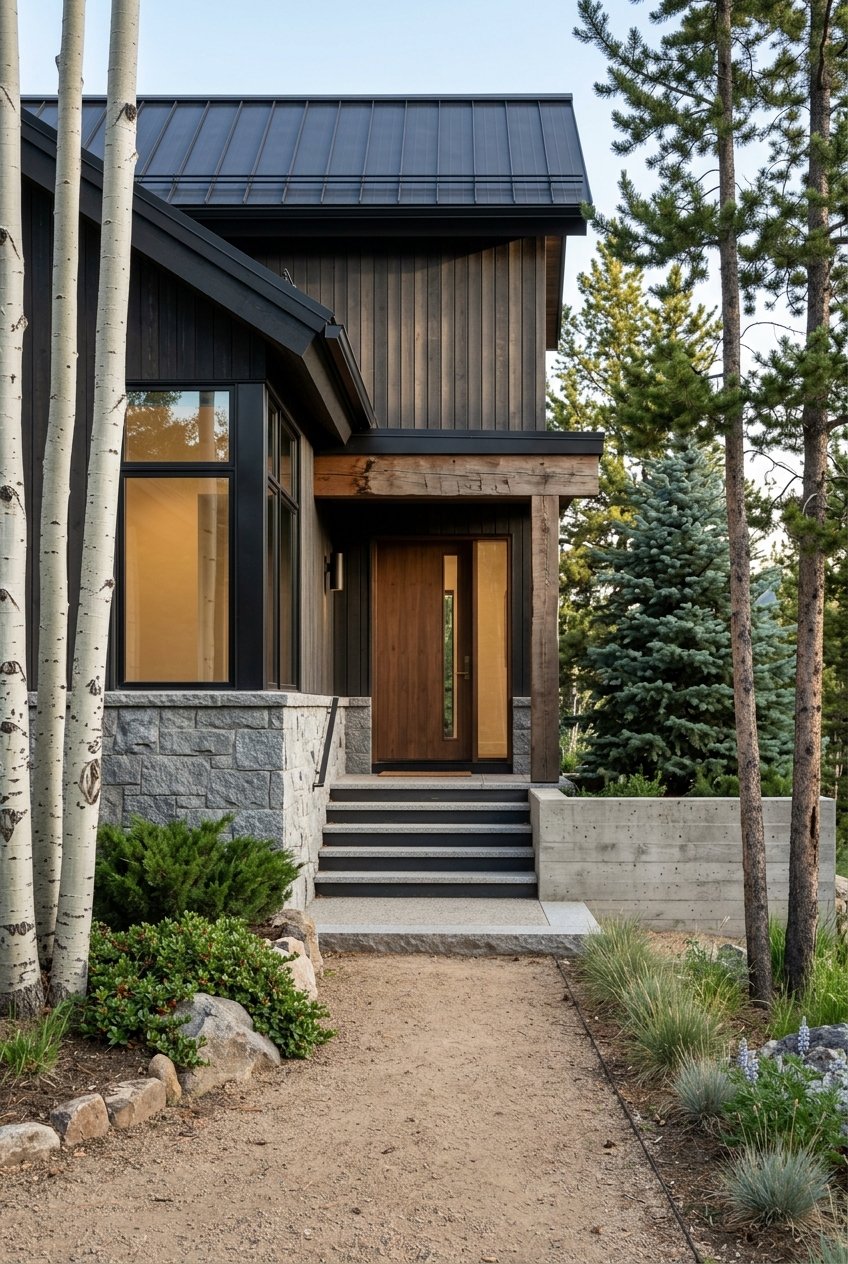
Woody Creek is best understood as a rural residential community with deep ties to open space, agriculture, and the valley’s working landscape. Pitkin County’s Woody Creek Master Plan describes the area as one where agricultural lands, wildlife habitat, and open space are central, and where small cattle and horse holdings are customary and appropriate.
That matters because Woody Creek is not framed as a typical horse subdivision. It is better viewed as a working rural valley setting where equestrian use can fit naturally into the landscape, while still being shaped by county land-use rules, parcel conditions, and the realities of mountain living.
Pitkin County also notes that local caucus master plans are advisory, but they still carry meaningful influence in land-use policy and actions. In practical terms, that means the area’s long-standing preference for moderated growth and agricultural heritage remains an important part of how Woody Creek is experienced today.
What the Setting Feels Like
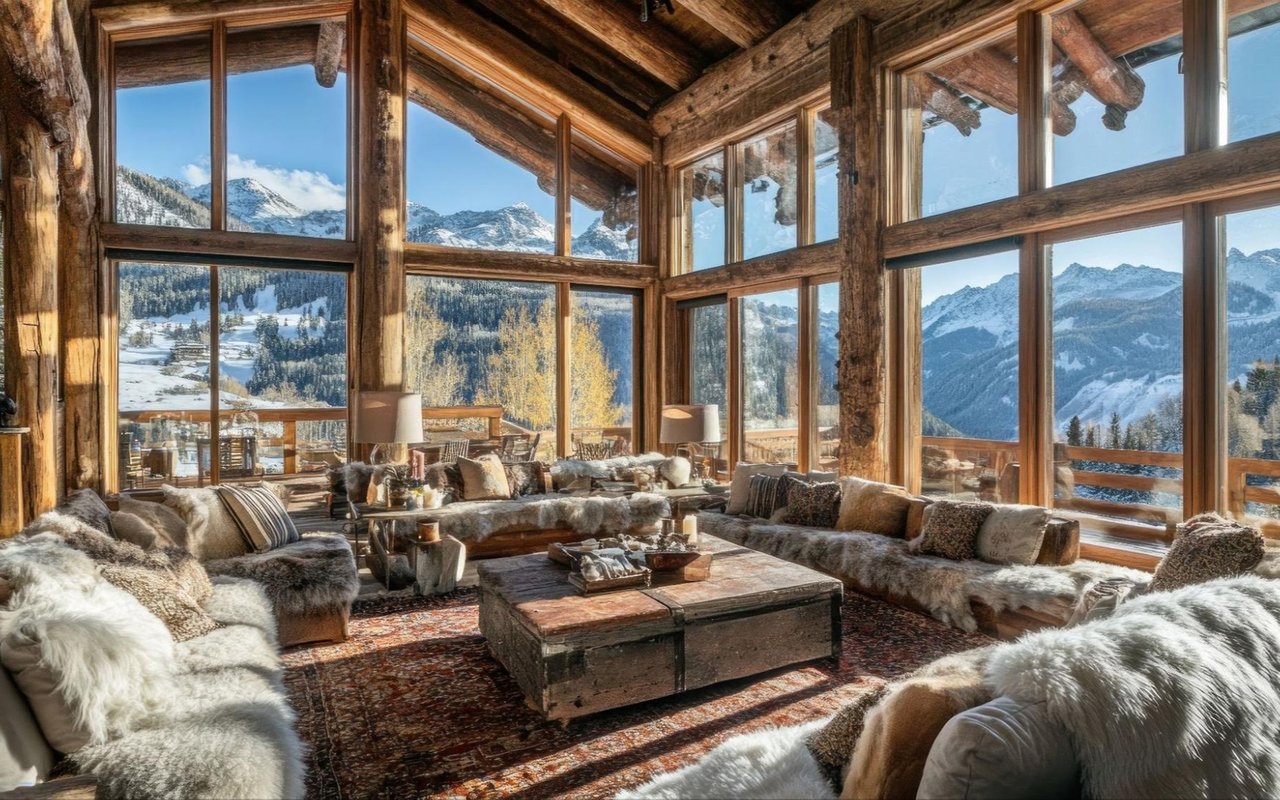
One of Woody Creek’s biggest draws is the balance between privacy and connection. You get a quiet valley atmosphere, ranchland character, and a sense of separation from busier resort areas, while still remaining tied to Aspen and Snowmass.
For many buyers, that mix is the point. You are not choosing Woody Creek for a polished, low-maintenance suburban horse lifestyle. You are choosing it for scenery, breathing room, and a more grounded relationship to the land.
Trail and Outdoor Access
Equestrian appeal is not only about the property itself. It is also about how the surrounding landscape supports your daily routine and recreation, and Woody Creek has several features that stand out.
Rio Grande Trail Access
The Rio Grande Trail is one of the area’s signature recreation corridors, and RFTA states that it is open to horseback riders as well as other non-motorized users. Its trail etiquette also specifically asks users to yield to horses, which is a meaningful detail for riders who value shared but horse-aware access.
The corridor runs from Glenwood Springs to Woody Creek, connecting this area to a broader valley trail network. For buyers who want the option of riding in a scenic corridor while staying connected to the wider Roaring Fork Valley, that access adds real lifestyle value.
River and Gorge Surroundings
Pitkin County describes the Roaring Fork Gorge as stretching from near Aspen to Wilton Jaffee Sr. Park near Woody Creek, and the gorge includes the Rio Grande Trail. The area is known for river scenery and outdoor activity, including rafting, kayaking, angling, and wildlife viewing.
Wilton Jaffee Sr. Park adds river access, a boat ramp, and a connection to the Rio Grande Trail through the Jaffee Connector Trail. Even if your focus is equestrian living, these nearby features help define the setting and reinforce Woody Creek’s appeal as a lifestyle location rather than simply a place to keep horses.
Access to Aspen and Snowmass
A rural location often feels more practical when it still offers workable connections to nearby destinations. In Woody Creek, that is part of the appeal.
RFTA currently operates a Woody Creek route between Woody Creek and Aspen and Snowmass, with pickup at Brush Creek Park & Ride and free service within the zone. For some buyers, this supports a more relaxed property choice by helping preserve the rural feel while keeping access to Aspen and Snowmass relatively convenient.
That can be especially attractive if you want land and privacy without feeling completely removed from dining, events, or seasonal resort activity. It also gives Woody Creek a different rhythm than properties that are either fully urban-adjacent or much farther out in the valley.
What to Verify Before Buying Horse Property
In Woody Creek, the beauty of the setting should never replace due diligence. A parcel may feel ideal at first glance, but equestrian use depends on more than acreage and views.
Confirm Zoning and Development Rights
Before assuming a property can support a barn, arena, or expanded residence, you should verify zoning, Urban Growth Boundary status, and actual development rights. Pitkin County’s Rural Living guide makes clear that site plan review is used to identify development constraints and hazards that can materially affect what is possible on a parcel.
Pitkin County’s current code framework includes horse boarding, agricultural buildings, and ranching or agricultural uses in its permitted-use structure. Still, the practical takeaway is simple: horse use may fit within the code, but the exact answer depends on parcel-specific zoning and approvals.
Review Floodplain and Land Constraints
Rural parcels often come with natural constraints that are easy to underestimate. According to Pitkin County, site plan review can identify issues such as the 100-year floodplain, river and stream corridors, wetlands, and other constrained areas.
In a place like Woody Creek, where water and riparian landscapes are part of the appeal, these limitations can be especially important. A beautiful site near the river may still require careful planning around where development can and cannot occur.
Understand Water and Irrigation Issues
In Colorado, water rights are not automatic. Pitkin County’s Rural Living guide also notes that irrigation ditches can create both access and hazard issues, which can matter for how you move around a property and how the land functions over time.
If you are thinking about pasture, horse care, or broader land use, this is one of the first areas to review carefully. Water assumptions can create costly misunderstandings if they are not clarified early in the process.
Verify Barn Status Carefully
If a property includes a large outbuilding, do not assume it automatically qualifies as an agricultural building. Pitkin County specifically warns that not every large structure is treated as a barn for code purposes.
That distinction can affect how a building is used, improved, or evaluated in your purchase decision. For equestrian buyers, this is one of those details that deserves close attention before you move forward.
Ask About Roads and Winter Access
The rural lifestyle comes with practical infrastructure questions, and roads should be high on your list. Pitkin County notes that rural roads may require 4WD, grading, or snowplowing arrangements, particularly during winter conditions.
That does not mean a property is unsuitable. It simply means your day-to-day experience may depend on factors that buyers in more maintained settings do not always have to consider.
Plan for Wildfire Mitigation
Pitkin County states that wildfire mitigation is mandatory, and wood shake roofs are prohibited countywide. For buyers focused on horses and land, this is another reminder that responsible ownership in Woody Creek includes attention to mountain-specific safety and property upkeep.
Mitigation planning should be viewed as part of the ownership picture, not an afterthought. It affects both the property itself and how you prepare for long-term stewardship.
Know the Open-Range Rule
If a parcel borders ranchland, Colorado’s open-range rule may come into play. Pitkin County notes that landowners who do not want livestock on their property must fence them out.
That is a practical detail with real implications for boundary planning and daily land management. In a rural setting, understanding how neighboring agricultural use interacts with your property is part of buying wisely.
Daily Life in Woody Creek
The character of Woody Creek is one of its strongest assets. Pitkin County’s master plan points to a small but distinctive social core, including the community center, post office, and firehouse, all of which contribute to the area’s rustic public fabric.
The community center has provided access to health services, arts and culture, book readings, local artist exhibits, music by valley locals, and a gathering place for residents. Woody Creek Tavern also remains part of the area’s recognizable local identity.
This is not a place defined by heavy commercial development. Instead, it offers a more understated and place-driven lifestyle, which is often exactly what draws buyers to it in the first place.
Tradeoffs to Expect
The same qualities that make Woody Creek appealing can also create a steeper learning curve for new owners. Pitkin County’s Rural Living guide warns that winter can make rural areas snowbound or hard to access, curbside trash and recycling are not provided, emergency equipment may be far away, and some metropolitan conveniences are simply absent.
For the right buyer, these are not deal breakers. They are part of the reality of owning in a quieter, more rural stretch of the valley, and they are best understood upfront.
If you want horses, land, trail access, river scenery, and a calmer pace with practical ties to Aspen and Snowmass, Woody Creek can be a compelling fit. The key is pairing the lifestyle vision with clear due diligence so the property supports how you actually want to live.
If you are considering equestrian property in Woody Creek and want a polished, detail-minded approach to finding the right fit, Soffia Wardy (CO) can help you navigate the valley with discretion, clarity, and local insight.
FAQs
What makes Woody Creek appealing for equestrian living?
- Woody Creek is described by Pitkin County as a rural residential community where open space, agricultural lands, and wildlife habitat are central, and where small cattle and horse holdings are customary and appropriate.
Can you ride horses on the Rio Grande Trail near Woody Creek?
- Yes. RFTA states that the Rio Grande Trail is open to horseback riders and asks other users to yield to horses.
What should you check before buying horse property in Woody Creek?
- You should verify zoning, Urban Growth Boundary status, development rights, floodplain and wetland constraints, water-related issues, access conditions, and whether any existing outbuildings qualify as agricultural buildings.
Does Woody Creek offer access to Aspen and Snowmass?
- Yes. RFTA currently operates a Woody Creek route between Woody Creek and Aspen and Snowmass, which helps support convenient access while preserving a rural property feel.
What are the tradeoffs of owning rural property in Woody Creek?
- Pitkin County notes that winter access can be difficult, rural roads may require added planning, curbside trash and recycling are not provided, emergency equipment may be farther away, and some urban conveniences are not available.