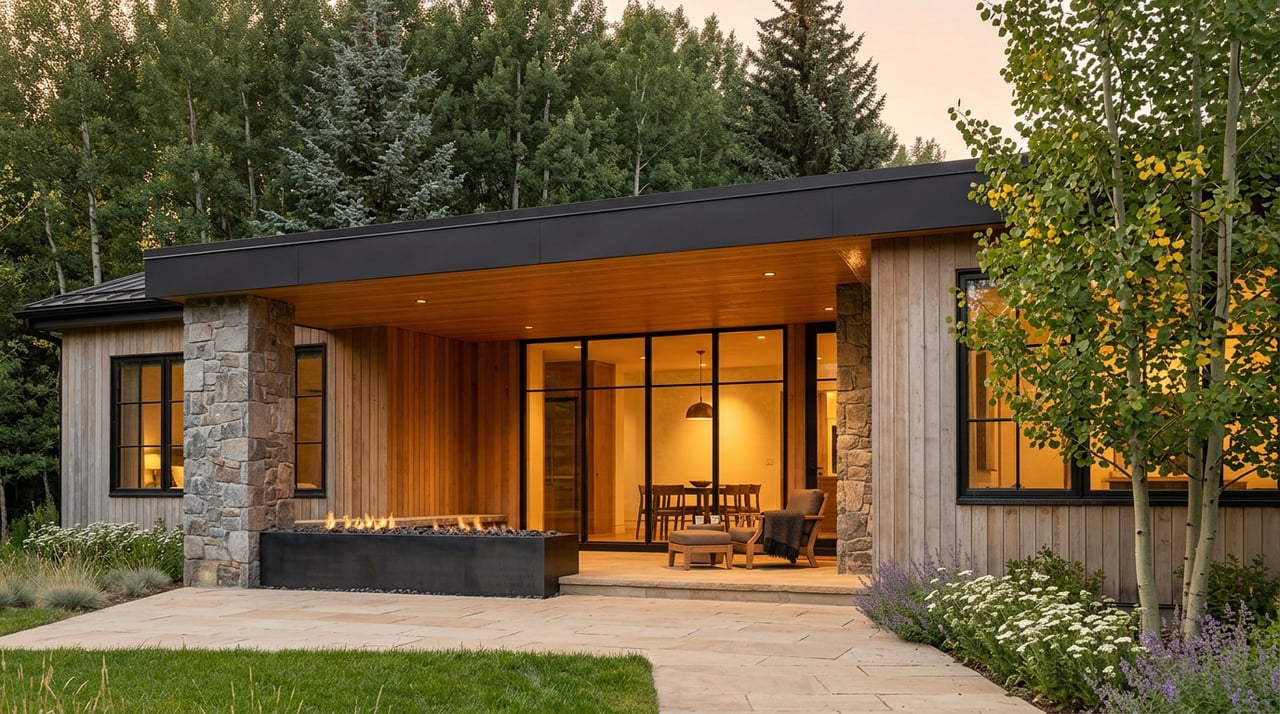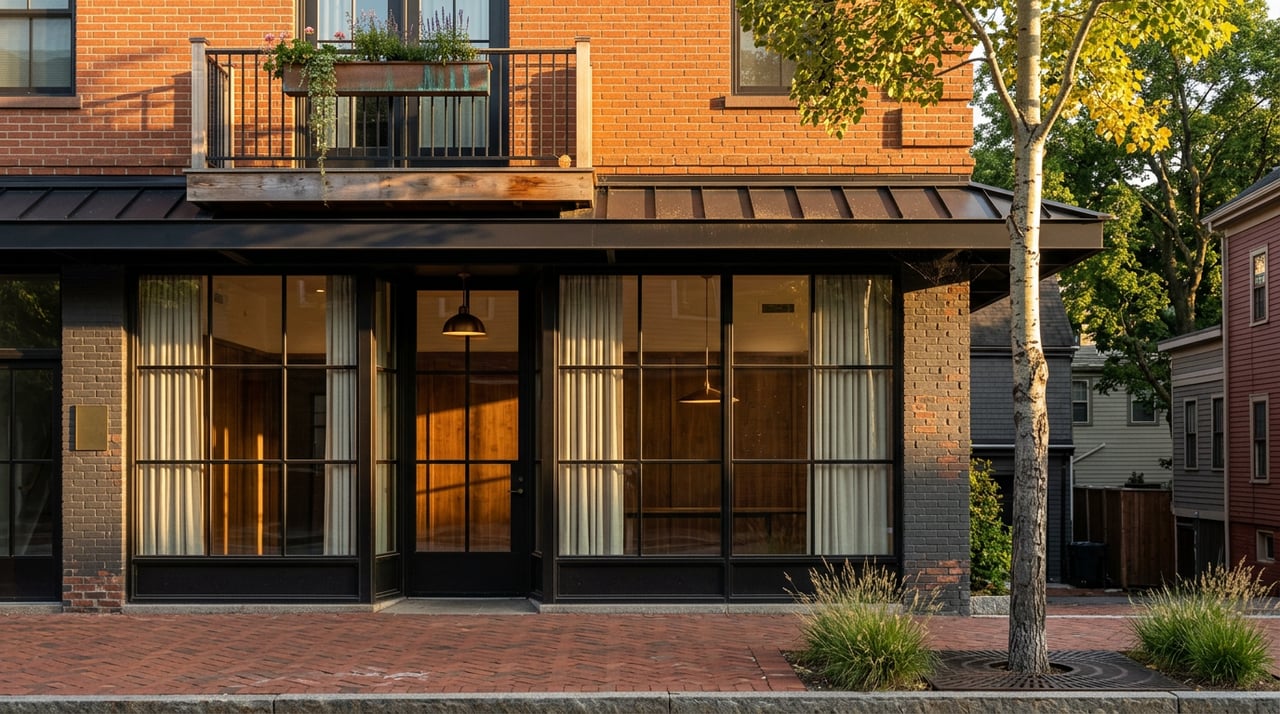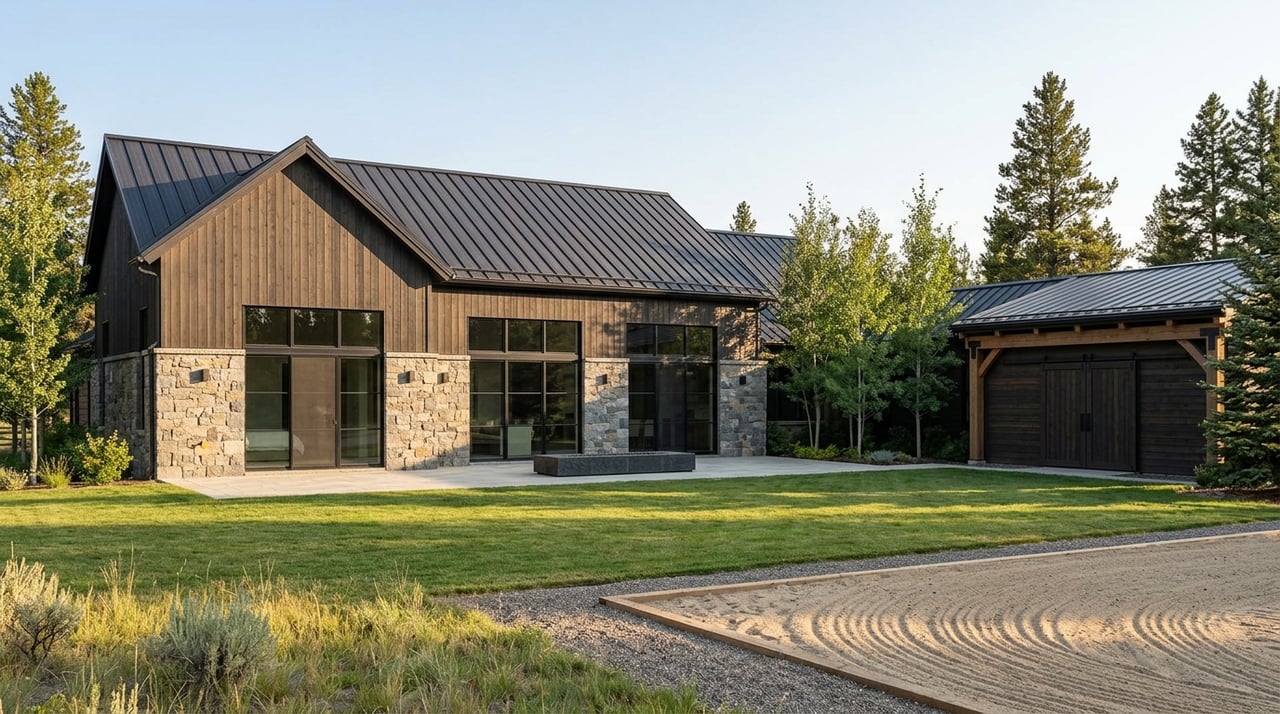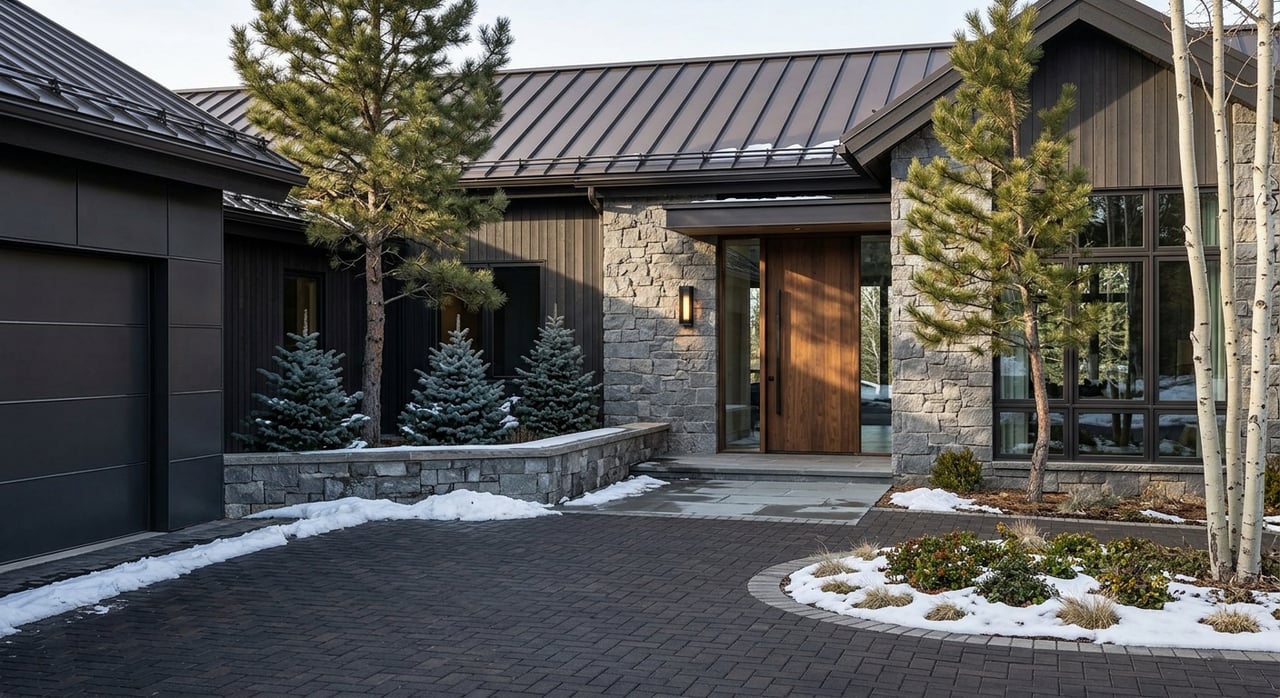
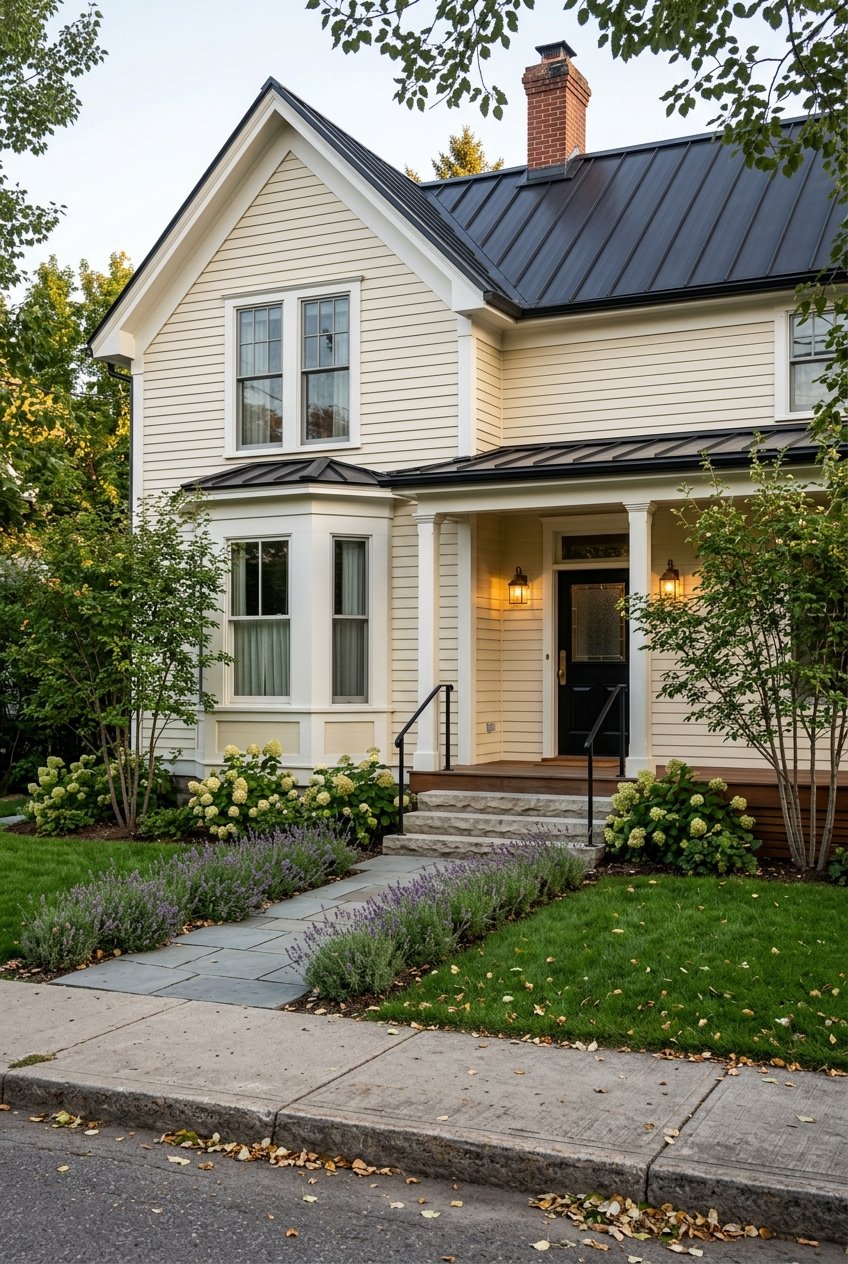
If you want Aspen convenience without giving up character, the West End stands out right away. This is one of those neighborhoods where daily life can feel both polished and grounded, with historic homes, leafy streets, and easy access to some of Aspen’s best-known cultural settings. If you are considering a home here, it helps to understand what makes the West End distinct, what kind of lifestyle it supports, and what practical details matter before you buy. Let’s dive in.
Why Aspen’s West End Feels Different
Aspen’s West End is a historically significant in-town neighborhood known for its tree-lined boulevards and established residential feel. According to the Aspen Historical Society, the area is bordered by Aspen Meadows, the Aspen Institute, and the Wheeler/Stallard Museum campuses, which gives the neighborhood a strong sense of place.
That setting matters because West End does not feel like a new luxury enclave created all at once. The City of Aspen notes that the city grew from silver-mining roots into a world-class resort destination, and historic preservation has been a local priority since the early 1970s. In practical terms, that history helps explain why the West End feels layered, walkable, and deeply connected to Aspen’s story.
Historic Charm Shapes the Neighborhood
One of the West End’s biggest draws is its architecture. The Aspen Historical Society highlights the neighborhood’s mix of Victorian and midcentury modern homes, giving the area visual variety while still preserving a strong historic identity.
You can see that character in individual properties and landmarks. The Wheeler/Stallard Museum, for example, is a Queen Anne-style Victorian home built in 1888. The city’s historic inventory also includes multiple designated residences on West Francis Street, including the Bowles-Cooley House and Davis Waite House, which shows how meaningful the concentration of historic homes is in this part of Aspen.
For many buyers, that preserved character is part of the luxury. In West End, value is not only about finishes or square footage. It is also about owning a home in a neighborhood where architecture, street pattern, and long-standing identity all shape the experience.
Walkability Adds Everyday Ease
West End offers a lifestyle that feels residential but still connected. The Aspen Historical Society’s walking tour moves through trails, sidewalks, lawns, and street-side routes, which reflects how pedestrian-friendly the neighborhood is.
That easy movement is one reason the area appeals to buyers who want an in-town Aspen experience. Aspen Music Festival & School notes that the Meadows Campus is about a 15 to 20 minute walk from downtown Aspen. If you value being able to walk to cultural venues and central Aspen amenities, West End offers a practical balance of convenience and calm.
Access to Aspen Arts and Culture
Few in-town neighborhoods sit so close to Aspen’s major cultural anchors. West End is adjacent to Aspen Meadows, the Aspen Institute, and the Wheeler/Stallard Museum campuses, all of which contribute to the area’s identity.
The Michael Klein Music Tent on the Meadows Campus adds another layer to that lifestyle. With major performance venues nearby, West End can offer the rare combination of residential quiet and easy access to events, performances, and museum programming.
For buyers who see real estate as part of a broader lifestyle, this matters. You are not just choosing a home. You are choosing a location that puts you near some of Aspen’s most recognized cultural institutions.
Luxury in West End Looks Different
Luxury in Aspen takes many forms, and the West End has its own version of it. Rather than a more isolated mountain-estate setting, this neighborhood tends to appeal to buyers who want preserved character, central location, and a sense of place.
That can be especially attractive if you want an in-town property with architectural personality and pedestrian convenience. Based on the neighborhood’s features, West End is often a strong fit for preservation-minded buyers and second-home owners who value a refined but rooted Aspen experience.
In other words, West End luxury is often quieter and more contextual. It is about historic homes, mature streetscapes, and close proximity to culture and downtown access, all within an established Aspen neighborhood.
What Buyers Should Know About Preservation Rules
If you are considering a purchase in the West End, due diligence is especially important. The City of Aspen states that properties that are individually designated or located within a historic district are subject to design standards.
That review process can affect renovation plans. Aspen’s historic preservation FAQ explains that exterior work, and even some interior work, must be reviewed and approved before work begins. The Historic Preservation Commission also reviews development, demolition, relocation, and variations on designated historic properties and properties within historic districts.
For a buyer, this means you should confirm a property’s designation status early. It is also wise to understand that updates or renovations may take longer than they would in a non-historic neighborhood.
Why Early Due Diligence Matters
In a neighborhood like West End, preparation can shape your experience from the start. A home may offer beautiful historic detail and a prime in-town setting, but the approval path for changes may be more involved than expected.
That does not make ownership less appealing. It simply means the process benefits from careful planning and clear expectations. If you are buying with renovation goals in mind, understanding preservation requirements at the beginning can help you make a more informed decision.
Is West End the Right Aspen Fit for You?
West End tends to make the most sense if you are drawn to a neighborhood with established character and central access. If your ideal Aspen lifestyle includes tree-lined streets, distinctive historic architecture, and proximity to cultural venues, this area deserves a close look.
It may be especially compelling if you prefer an in-town environment over a more secluded estate setting. You still get a sense of privacy and residential calm, but with the added benefit of being near downtown, the Meadows Campus, and Aspen’s cultural core.
For many buyers, that balance is the appeal. West End offers a version of Aspen luxury that feels thoughtful, enduring, and closely tied to the city’s heritage.
If you are exploring Aspen neighborhoods and want guidance that matches the property to the lifestyle, working with a local advisor can make the search more focused and more strategic. To discuss West End homes or your broader Aspen real estate goals, connect with Soffia Wardy (CO).
FAQs
What is Aspen’s West End known for?
- Aspen’s West End is known for its historic significance, tree-lined boulevards, pedestrian-friendly layout, and mix of Victorian and midcentury modern architecture.
How walkable is Aspen’s West End?
- Aspen’s West End is a walkable in-town neighborhood with trails, sidewalks, and street-side routes, and the Aspen Meadows Campus is about a 15 to 20 minute walk from downtown Aspen.
What cultural attractions are near Aspen’s West End?
- Aspen’s West End sits near Aspen Meadows, the Aspen Institute, the Wheeler/Stallard Museum, and the Michael Klein Music Tent on the Meadows Campus.
What should buyers know before purchasing in Aspen’s West End?
- Buyers should verify whether a property is individually designated or located within a historic district, because design standards and review requirements may affect renovation plans and timelines.
Is Aspen’s West End a good fit for second-home buyers?
- Aspen’s West End may appeal to second-home buyers who want an in-town Aspen lifestyle with historic charm, pedestrian convenience, and close access to arts and culture.