If you are drawn to Old Snowmass, you are likely looking for more than a beautiful home. You are looking for land, privacy, and a setting that feels distinctly Colorado, with open pasture, mountain views, and room to breathe. Owning a ranch property here can be incredibly rewarding, but it also requires thoughtful due diligence. This guide will walk you through what makes Old Snowmass unique, what ranch ownership often involves in Pitkin County, and what to evaluate before you buy. Let’s dive in.
What Old Snowmass Feels Like
Old Snowmass is not a village-style neighborhood. It sits within Pitkin County’s Snowmass-Capitol Creek rural planning area, where the landscape remains predominantly rural and agricultural, with open meadows, livestock grazing, equestrian activity, and irrigated pastureland.
That setting is a big part of the appeal. Buildings are intended to remain subordinate to the natural surroundings, which helps preserve the area’s low-density, landscape-first character. For many buyers, that is exactly the point.
The broader conservation picture also shapes the experience of ownership. Pitkin County Open Space and Trails conserves nearly 30,000 acres through open space ownership and conservation easements, while also maintaining extensive trail systems. Together, those protected lands help Old Snowmass retain its open, peaceful feel.
Why Buyers Are Drawn to Ranch Property Here
For many luxury buyers, Old Snowmass offers a rare combination of privacy and access. You can enjoy a more land-oriented lifestyle while staying close to the Aspen-Snowmass resort corridor.
The area is especially attractive if you value equestrian use or agricultural character. Pitkin County’s permitted-use tables recognize ranching, horse boarding, guest ranch uses, and riding stables or academies, which reinforces Old Snowmass as one of the county’s most naturally ranch-oriented settings.
Lifestyle also plays a major role. In warmer months, the broader Snowmass area offers hiking, biking, sightseeing, and other mountain recreation, while winter brings access to a four-mountain ski destination. Trail systems like the Basalt-Old Snowmass Trail add year-round outdoor access, though some corridors and wildlife areas may close seasonally to protect habitat.
Ranch Ownership Is About the Land
A ranch purchase in Old Snowmass is rarely just about the residence. In practical terms, you are often acquiring and managing a small landscape, and each parcel can come with a different set of opportunities and limitations.
That means you will want to look beyond finishes, floor plans, and views. The more important questions often involve zoning, development potential, water, septic, access, easements, and the buildable envelope.
In unincorporated Pitkin County, the county’s Planning and Zoning team is the right starting point for property-specific land use questions. The county also notes that its zoning map is not a legal determination of a parcel’s zoning, so formal verification matters.
What You Can Build Matters
One of the most common buyer questions is simple: how much can you build? In Old Snowmass, the answer depends on the specific parcel.
Pitkin County notes that not every parcel automatically has development rights. In many rural settings, the base house size is 5,750 square feet, and the dimensional table for the Valleys of Capitol Creek and Lower Snowmass Creek overlay area also lists a 5,750-square-foot final maximum floor area. Some rural-remote parcels may be capped at much lower levels.
This is one reason parcel-level diligence is so important. Two properties with similar acreage can have very different building potential depending on county regulations and site-specific constraints.
Why the Activity Envelope Is Important
In rural Pitkin County, site review often identifies an activity envelope. This is the area where buildings, access, septic, and landscaping may be allowed.
According to the county guide, work outside that envelope is typically prohibited. Review may also identify constrained areas such as floodplain, unstable slopes, avalanche areas, wildlife habitat, stream corridors, and wetlands.
For a buyer, this can have a major impact on how the property lives day to day. A large parcel may feel expansive, but only part of it may be suitable for improvements or certain uses.
Water and Septic Are Core Due Diligence Items
Water and wastewater deserve careful attention before you buy. Outside sewer districts, homes in Pitkin County are served by OWTS, or septic systems.
Many residences also rely on private wells. Pitkin County states that new wells need state permits, and private-well water quality is the owner’s responsibility.
In other words, these are not small details to sort out later. If you are evaluating a ranch property, it is wise to understand the existing septic system, water source, permit history, and any limitations tied to future expansion plans.
Easements Can Shape How You Use the Property
A ranch parcel may include more than land and improvements. Pitkin County’s rural-living guide warns that irrigation ditches, conservation easements, trail easements, split mineral estates, and private-road obligations can all affect how a parcel is used and enjoyed.
Some conservation easements may allow public access, while others may not. Private roads may also come with maintenance responsibilities that affect both convenience and cost.
These issues are not necessarily red flags. They are simply part of understanding what ownership really means before you commit.
Streams, Meadows, and Wetlands Need Extra Review
The natural beauty that makes Old Snowmass so appealing can also add complexity. Pitkin County treats wetlands, riparian areas, and meadows as important wildlife habitat and water-quality buffers.
If a property includes streamside land or sensitive natural areas, extra setbacks or review may apply. That can influence where you build, how you landscape, and what future changes may be possible.
This is especially important for buyers who are drawn to parcels with creeks, irrigated meadows, or broad natural corridors. Those features can be exceptional assets, but they should be understood early in the process.
Architecture Should Fit the Setting
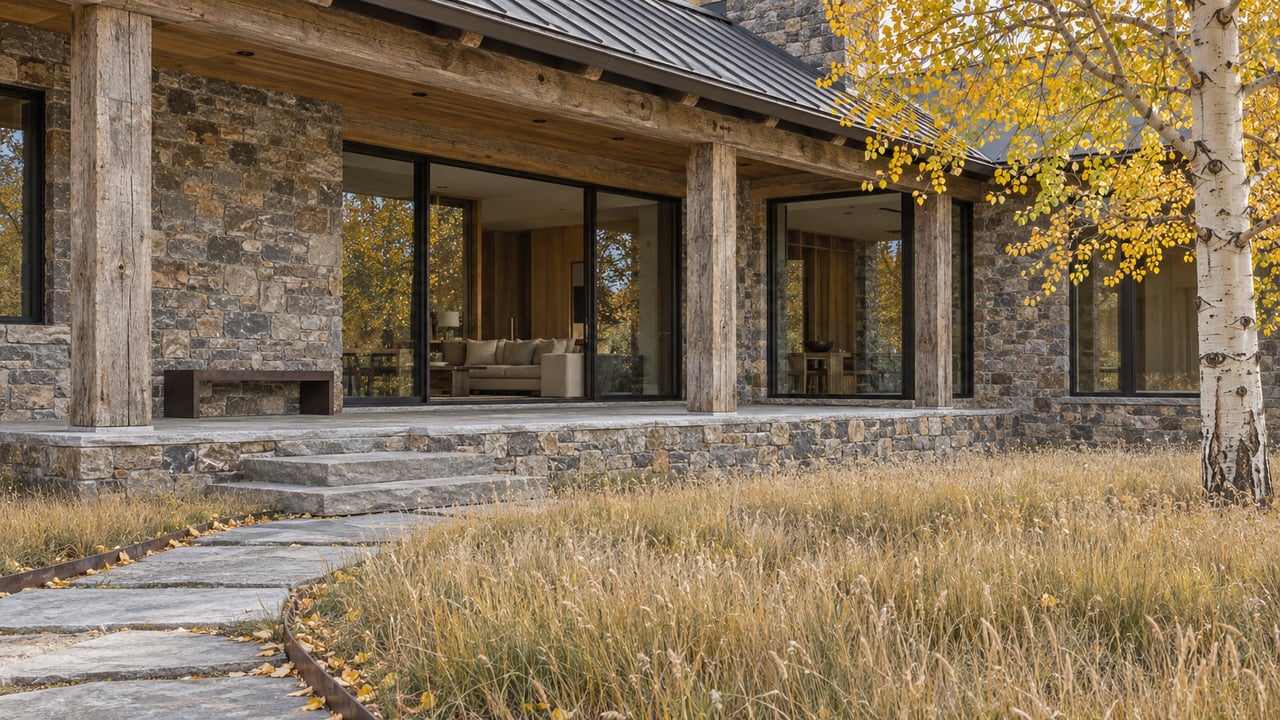
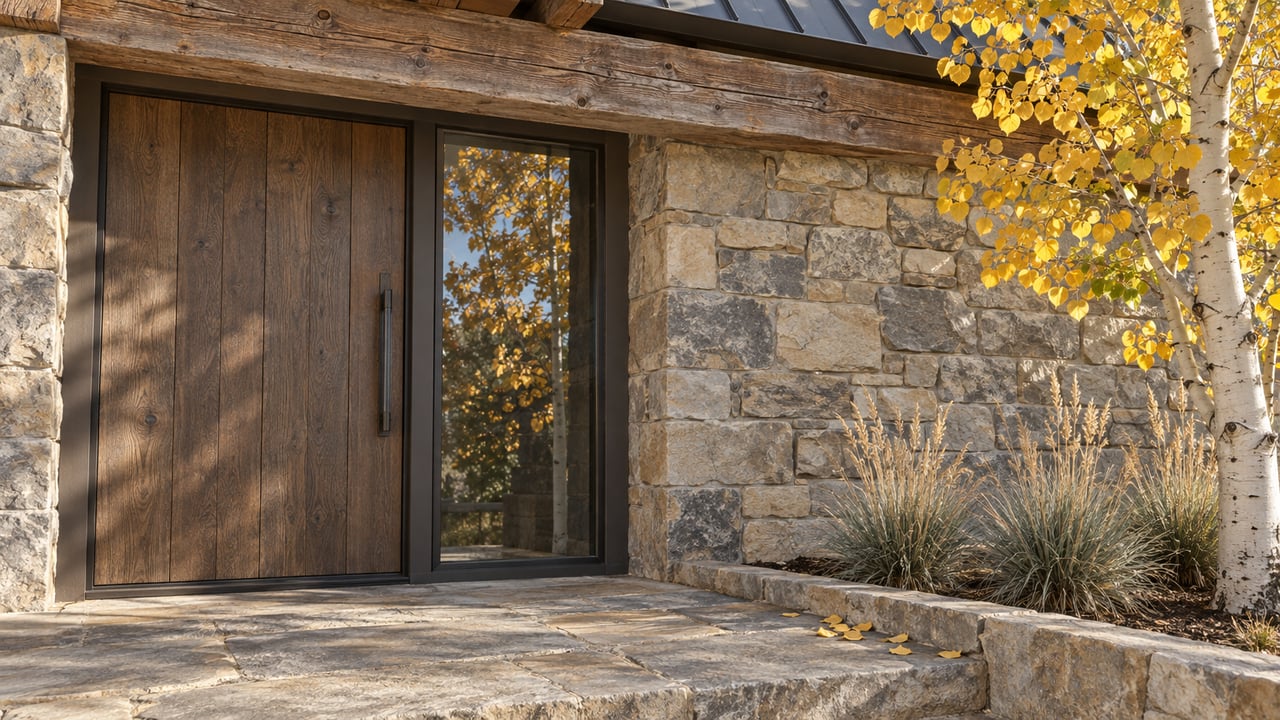
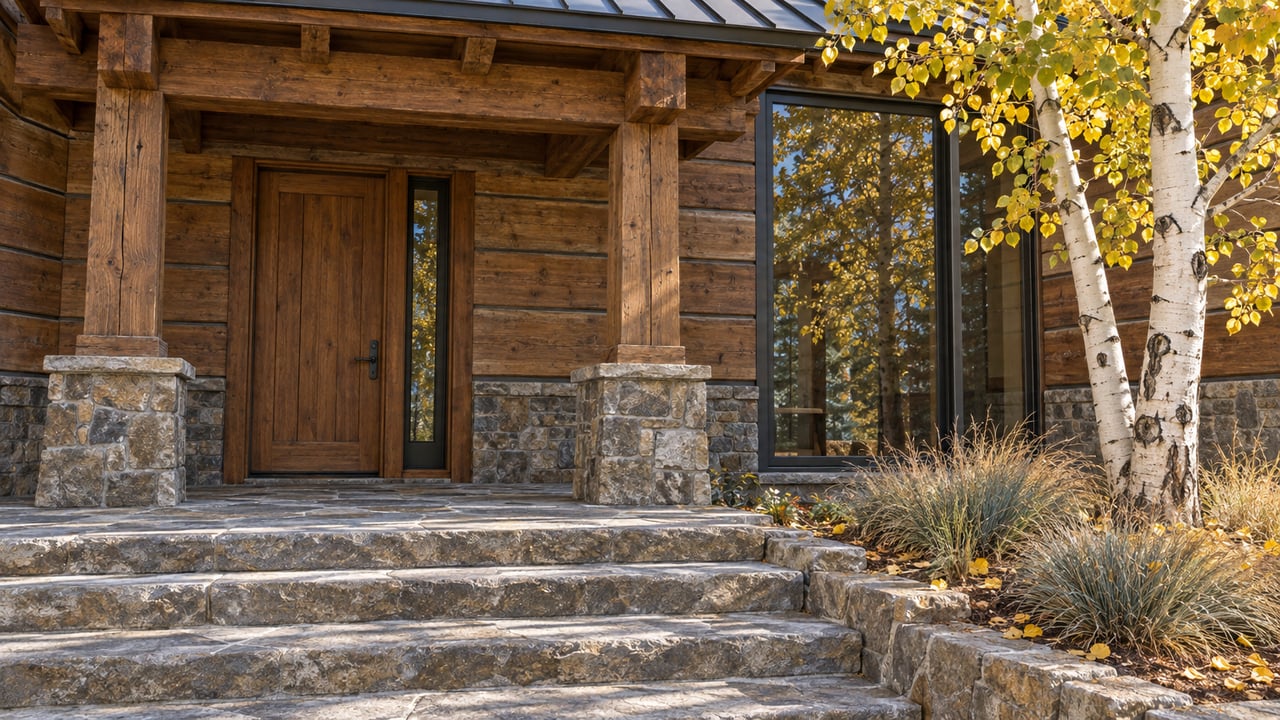
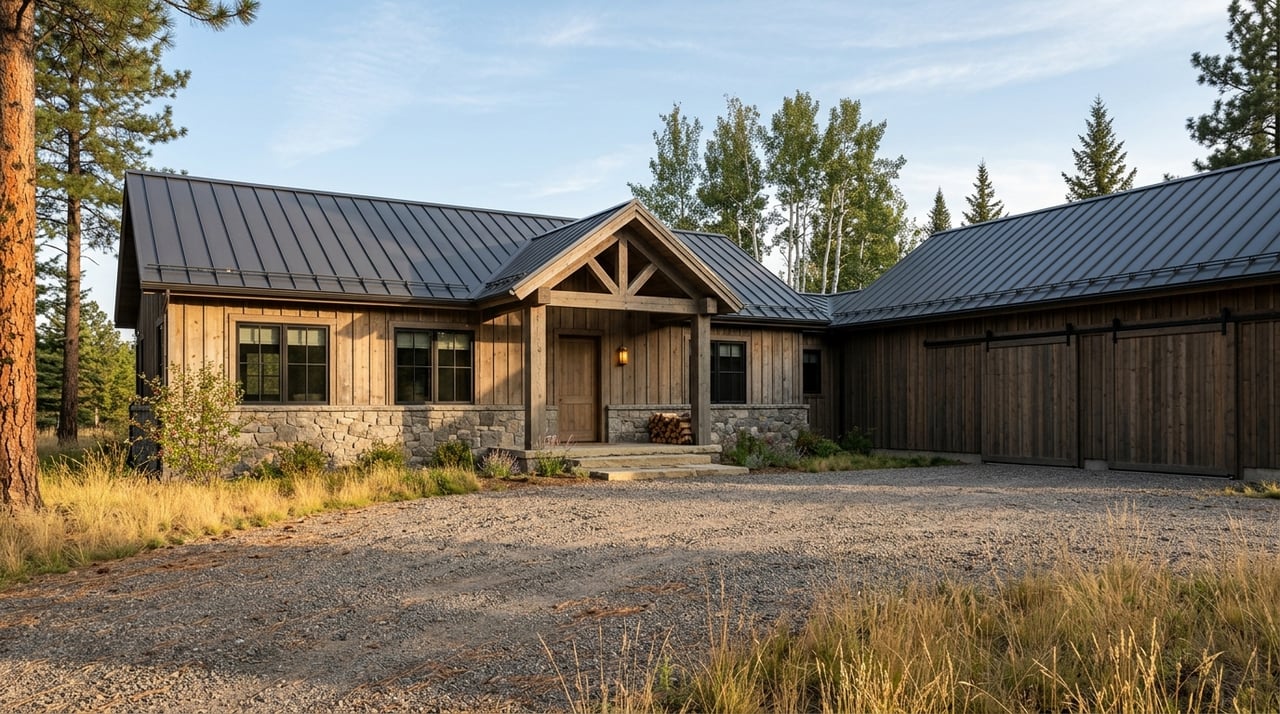
Old Snowmass has a strong sense of place, and county planning policies reflect that. The Snowmass-Capitol Creek master plan encourages homes with moderate size and bulk, preservation of open pasture and agricultural land, and outbuildings that reflect western rural character.
The plan also emphasizes visual-impact control, natural screening, dark skies, and energy-conscious design. In practice, homes that tend to fit best are often those that sit low in the terrain and respect the surrounding landscape rather than dominate it.
For buyers considering renovations or new construction, design fit matters as much as design quality. A beautiful home in Old Snowmass should feel connected to the land it sits on.
Rural Access Requires a Practical Mindset
Owning a ranch property here comes with real-world considerations that differ from in-town ownership. Pitkin County’s rural-living guide notes that roads can be dusty, muddy, slippery, or impassable in severe weather.
Depending on the property, you may need 4WD, grading, snowplowing, or even snowmobile access in winter. Pitkin County also does not provide curbside trash or recycling pickup, so owners typically haul refuse or arrange private service.
These are not reasons to avoid ranch ownership. They are part of what makes the lifestyle feel private and removed, and they should be part of your planning from the start.
Wildfire Preparedness Is Part of Ownership
Wildfire awareness is an important part of living in a rural mountain setting. Pitkin County Emergency Management coordinates preparedness, response, recovery, and mitigation for hazards that include wildfires.
The county is also updating its Community Wildfire Protection Plan to identify risks and mitigation projects. For buyers, that makes wildfire exposure and preparedness an essential due diligence topic, especially on heavily vegetated or more remote parcels.
A thoughtful purchase decision should include a clear understanding of access, defensible space considerations, and the property’s broader setting.
What to Review Before You Buy
If you are seriously considering a ranch property in Old Snowmass, it helps to approach the process with a land-first mindset. A polished showing is only one part of the picture.
Here are some of the most important items to review:
- Parcel-specific zoning and land-use status
- Development rights and maximum buildable floor area
- Activity envelope location and site review constraints
- Well, water, and septic details
- Easements, ditch rights, and road obligations
- Wetlands, riparian buffers, and wildlife-related limitations
- Seasonal access, snow management, and service logistics
- Wildfire exposure and mitigation considerations
When those pieces line up well, the ownership experience can be exceptional. You are not simply buying a luxury property. You are buying into a landscape, a rhythm, and a way of living that is hard to replicate elsewhere in the Aspen area.
The Old Snowmass Opportunity
For the right buyer, Old Snowmass offers something increasingly rare: meaningful land, agricultural character, equestrian utility, and close proximity to world-class recreation. It is a market where the home matters, but the land matters just as much.
That is why local guidance and careful evaluation are so important. Every ranch parcel tells a different story, and the best purchase decisions come from understanding how the lifestyle promise translates into the realities of ownership.
If you are exploring ranch property in Old Snowmass and want calm, informed guidance tailored to your goals, Soffia Wardy (CO) offers a refined, detail-driven approach to luxury property search and representation.
FAQs
What makes Old Snowmass different from Snowmass Village?
- Old Snowmass is a rural ranch landscape in unincorporated Pitkin County, while Snowmass Village is a more resort-oriented setting. Old Snowmass is defined more by land, pasture, agriculture, and privacy than by village-style density.
What should buyers check before purchasing a ranch property in Old Snowmass?
- Buyers should review parcel-specific zoning, development rights, activity envelope limits, water and septic systems, easements, access, wetlands or riparian constraints, and wildfire considerations.
How large can a home be on an Old Snowmass ranch parcel?
- It depends on the parcel. In many rural settings in Pitkin County, the base house size is 5,750 square feet, and some parcels may allow less depending on location and applicable regulations.
How do water and septic work for ranch homes in Old Snowmass?
- Many homes in unincorporated Pitkin County rely on private wells and OWTS septic systems. New wells require state permits, and private-well water quality is the owner’s responsibility.
Are horse properties allowed in Old Snowmass?
- Pitkin County’s permitted-use tables recognize ranching, horse boarding, guest ranch uses, and riding stables or academies, which supports Old Snowmass’s longstanding ranch and equestrian character.
What practical challenges come with owning rural property in Old Snowmass?
- Owners may need to plan for difficult seasonal road conditions, 4WD access, snowplowing or grading, and private trash or recycling arrangements, depending on the property and location.