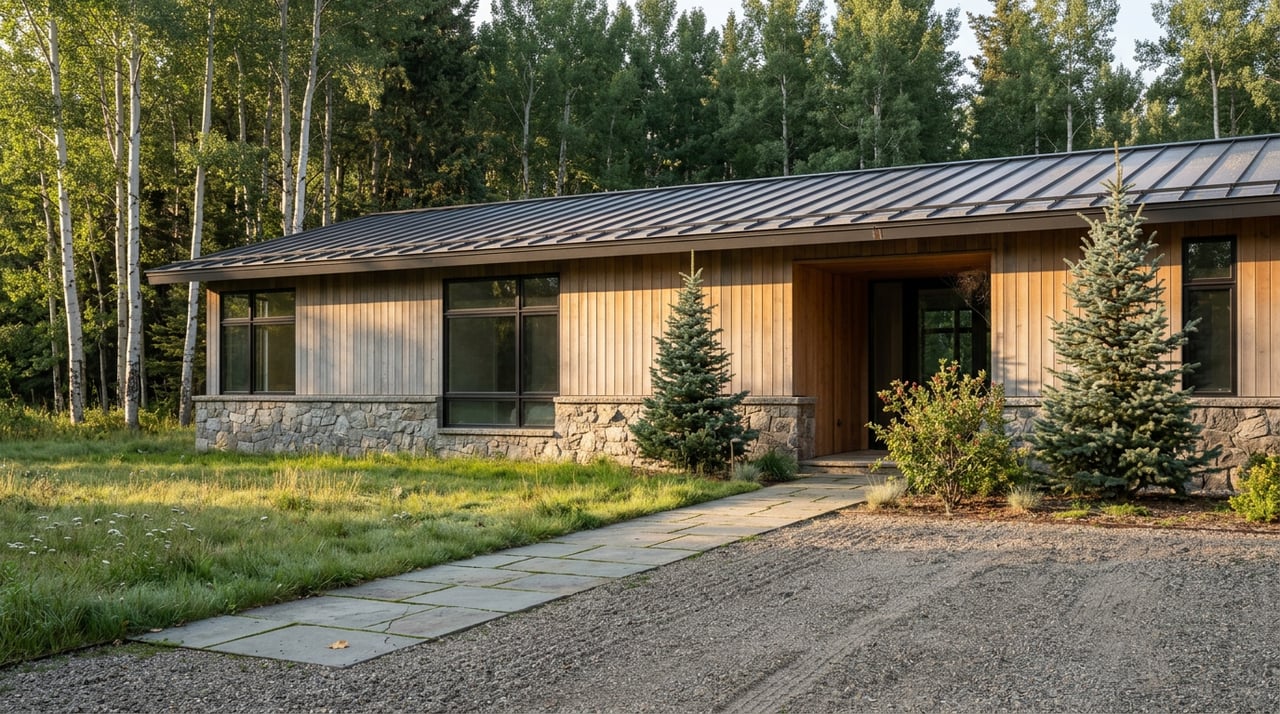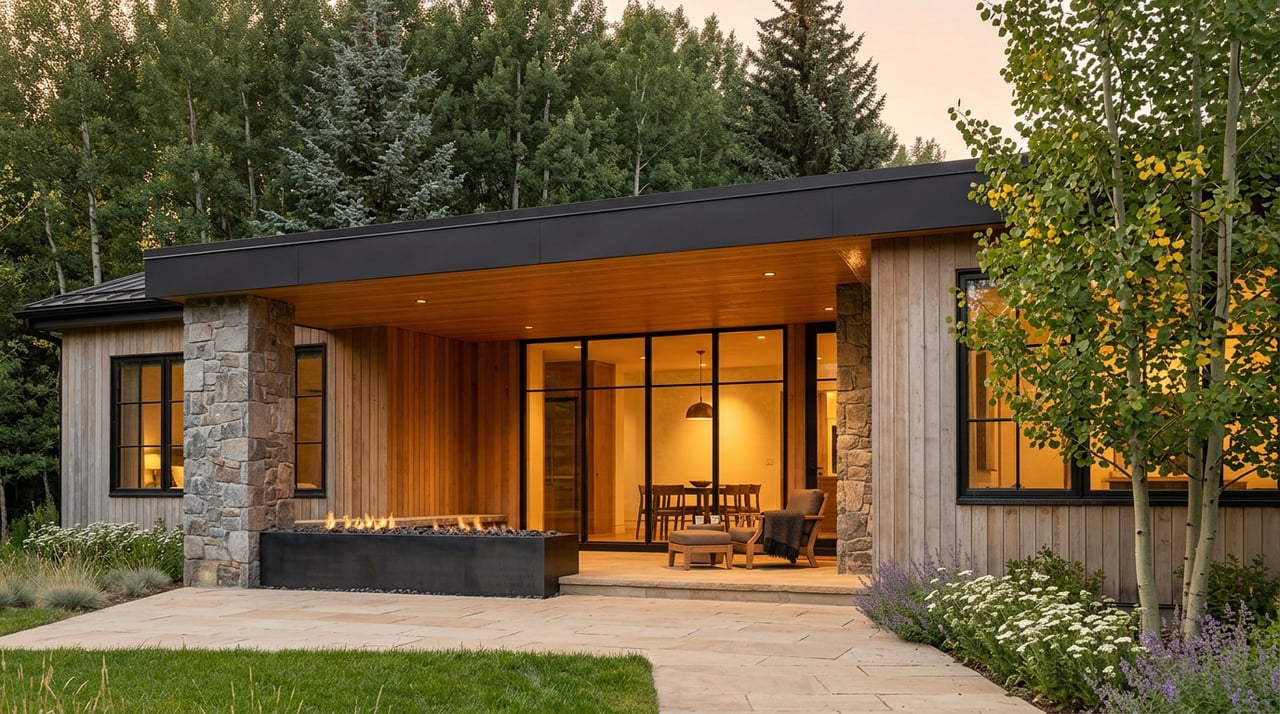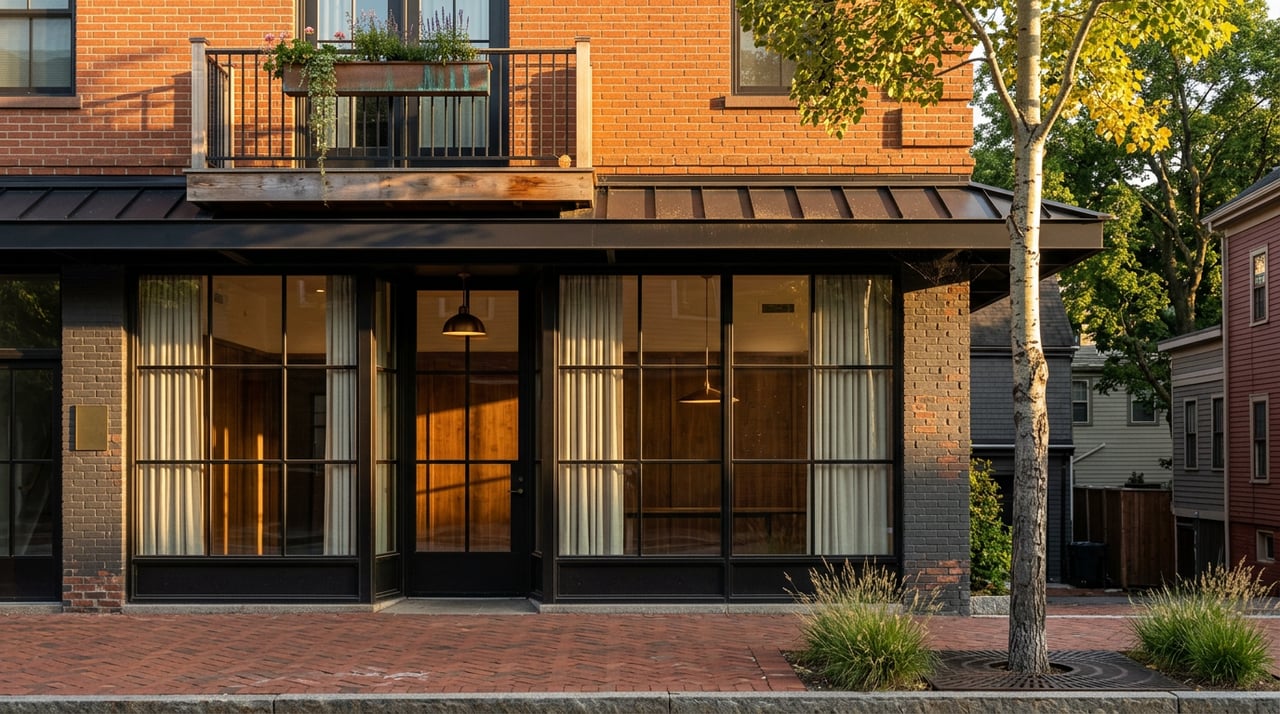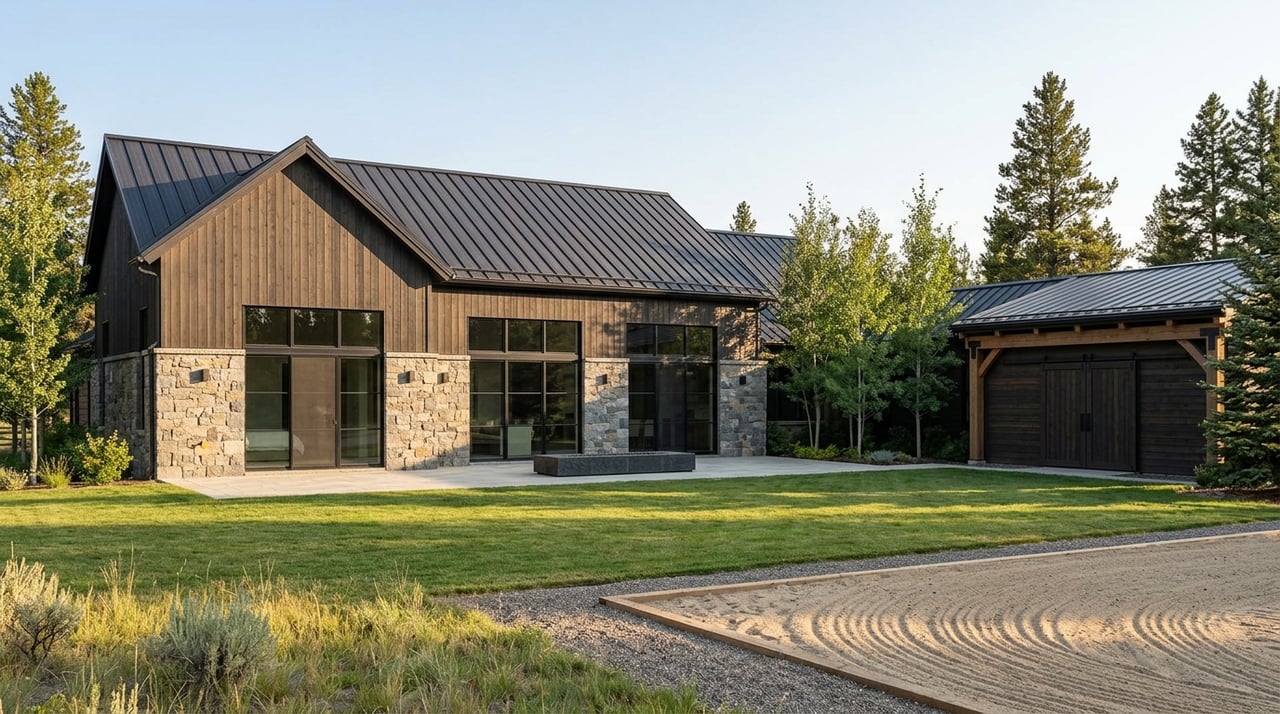
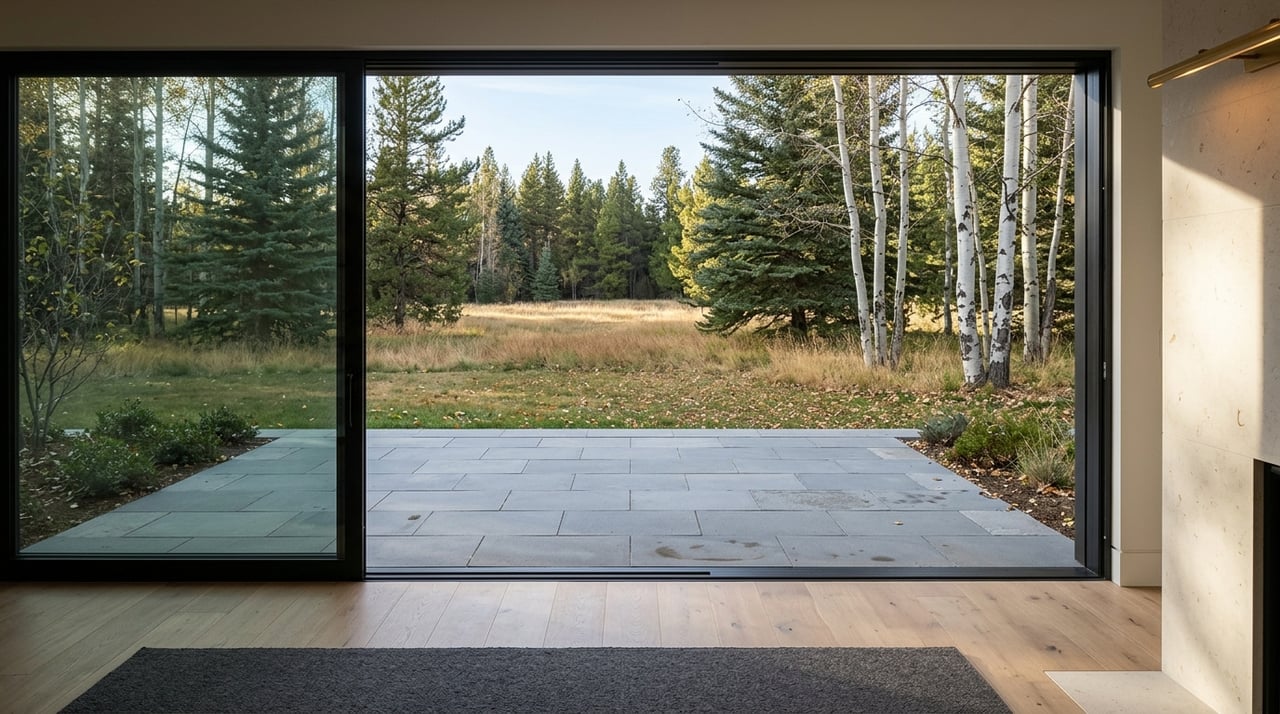
Looking for room to breathe without feeling far from Aspen? West Aspen stands out because it blends a more open, scenic setting with practical access to town. If you are weighing privacy, views, and day-to-day convenience, this guide will help you understand how West Aspen works, what makes it distinct, and what to review before you buy. Let’s dive in.
Why West Aspen Feels Different
West Aspen is not a traditional, self-contained neighborhood with one clear boundary or one development pattern. In local planning documents, it is better understood as the Highway 82 corridor west of Aspen, centered on the West of Maroon Creek planning area.
That matters because the area feels more spacious and less urban than the in-town grid. Aspen’s planning framework describes this corridor as a gateway into town, with an emphasis on preserving open space, mountain views, and the transition from rural landscape to Aspen’s more built-up core.
For you as a buyer, that often translates into a setting that feels visually open and calmer than central Aspen. You may find a stronger sense of separation between homes, more natural landscape around you, and a different rhythm than the downtown street pattern.
Space and Land Use in West Aspen
One of the biggest draws in West Aspen is variety. This corridor is not defined by a single estate enclave or one housing type. County materials show a mix that includes single-family homes, multi-family uses, free-market condominiums, deed-restricted housing, open-space parcels, and recreation facilities.
Parcel sizes also vary widely. Public planning records reference sites of roughly 3.881 acres, 5.6 acres, 12.5 acres, 29.077 acres, and 73.190 acres, along with the Stage Road area, where lots are identified at 105,000 square feet by right and 140,000 square feet with TDR.
That range is a key part of West Aspen’s appeal. If you are searching for more land, broader view corridors, or a setting that feels less compressed than in-town Aspen, this area may offer options that align with that goal.
Why Views Matter Here
In West Aspen, views are not just a lifestyle feature. They are part of the planning framework. The county overlay and scenic policies are designed to protect natural vistas, ridgelines, hillsides, sage open lands, and riparian corridors.
Open spaces between activity nodes are intended to avoid a continuous wall of development. Building scale is also meant to transition gradually from Aspen’s urban core to the more rural corridor landscape.
This helps preserve the visual character that draws many buyers to the area in the first place. It also means that what you see from a property, and what can be built nearby, should be reviewed carefully as part of your due diligence.
Convenience Along the Highway 82 Corridor
West Aspen’s convenience comes from its corridor location. Highway 82 is the main transportation spine into and out of Aspen, and local planning studies treat West Aspen as closely tied to the airport-to-downtown connection.
This is important if you want easier movement between home, town, and regional destinations. The Buttermilk-to-Maroon Creek roundabout segment includes two general-purpose lanes and two exclusive bus lanes, which reflects the area’s transportation focus.
For many buyers, this creates a useful balance. You can enjoy a more open setting while still staying connected to central Aspen through a well-defined travel corridor.
Shuttle and Daily Mobility
Transit adds another layer of convenience. Aspen’s free shuttle system includes the Castle/Maroon route, which runs from Rubey Park to Maroon Creek Road and Castle Creek Road.
This route serves several everyday destinations, including Aspen Valley Hospital, Aspen Recreation Center, and Aspen Highlands Village. If your household prefers flexibility, or if you want an alternative to driving for certain trips, that can be a meaningful advantage.
Of course, every property will sit differently in relation to transit stops and road access. In West Aspen, daily mobility is something to evaluate home by home rather than assume across the entire corridor.
Outdoor Access Near West Aspen
Another reason buyers are drawn to West Aspen is proximity to outdoor recreation. Aspen notes that the Rio Grande Trail is a continuous 42-mile route between Aspen and Glenwood Springs, and the broader trail network connects to Snowmass Village, Woody Creek, and Basalt.
The area also provides access toward Maroon Creek Road, where trailheads lead into the Maroon Bells Wilderness and Scenic Area. Colorado tourism describes the Maroon Bells as about 10 miles west of Aspen.
If you value biking, walking, trail access, or simply living near iconic mountain scenery, West Aspen has a strong case. The setting supports an active Aspen lifestyle without requiring you to be in the center of town.
Regional Access and Commute Perspective
West Aspen also benefits from Aspen’s compact regional geography. The city’s relocation information lists Snowmass Village at about 15 minutes from Aspen.
That does not make West Aspen the same as Snowmass Village, but it does help frame the west side of Aspen within a short regional commute pattern. For second-home buyers and part-time residents, that can make the area feel efficient and well connected.
If you divide time between skiing, dining, events, and outdoor recreation, this location can support that lifestyle with less of a downvalley feel. The appeal is not just privacy, but privacy with access.
What Buyers Should Watch Closely
The same features that make West Aspen attractive also make due diligence especially important. This is a corridor with mixed land use, overlapping planning frameworks, and parcel-by-parcel jurisdiction.
Some properties fall within Aspen city limits, while the broader planning area is governed through county sub-area planning. That means you should not assume every parcel follows the same rules, even when homes seem close together geographically.
Before moving forward on a purchase, it is wise to confirm several basics:
- Whether the property is in city or county jurisdiction
- What land-use designation applies to the parcel
- How view protections or scenic rules may affect future changes
- How road setbacks, stream setbacks, and yard requirements shape use of the site
- Whether your household will rely more on driving, shuttle service, or both
Setbacks and Improvement Planning
If future improvements matter to you, setbacks deserve close attention. Pitkin County’s zoning information lists a 200-foot setback for Highway 82 west of Aspen to the county line, 100-foot setbacks for major roads such as Maroon Creek Road, Castle Creek Road, and McLain Flats Road, and 100-foot stream setbacks.
Front, side, and rear yards also vary by zone district and lot size. In practice, this means that a parcel that looks generous on paper may still have meaningful limits on where and how improvements can occur.
For buyers considering expansion, redesign, or long-term hold strategy, this is one of the most important parts of evaluating West Aspen real estate. The value here often lies in understanding not just the home, but the full planning context around it.
Is West Aspen Right for You?
West Aspen tends to appeal to buyers who want more visual breathing room without losing practical access to Aspen. If your priorities include a quieter setting, larger parcels, preserved view corridors, and strong connection to roads, transit, and outdoor recreation, this area deserves a serious look.
It is also a location where details matter. Because West Aspen is shaped by corridor planning rather than a simple subdivision pattern, the right purchase often comes down to careful review of jurisdiction, site constraints, and how you plan to use the property over time.
That is where thoughtful local guidance becomes especially valuable. If you want a clear, tailored view of West Aspen opportunities and how specific properties align with your goals, Soffia Wardy (CO) can help you navigate the market with discretion, strategy, and attention to detail.
FAQs
What is West Aspen in Pitkin County?
- West Aspen is generally understood as the Highway 82 corridor west of Aspen, centered on the West of Maroon Creek planning area rather than a single, self-contained subdivision.
What types of homes are found in West Aspen?
- West Aspen includes a mix of residential options, including single-family homes, multi-family properties, condominiums, and parcels near open space and recreation uses.
Why do West Aspen properties often feel more spacious?
- Local planning emphasizes open space, scenic view protection, and a transition from Aspen’s urban core to a more rural corridor landscape, which supports a lower-scale, more open feel.
How convenient is West Aspen for getting into Aspen?
- West Aspen is closely tied to Aspen through the Highway 82 corridor, which serves as the main transportation route into and out of town.
What transit options serve West Aspen?
- Aspen’s free shuttle system includes the Castle/Maroon route, which connects this part of the area to destinations such as Rubey Park, Aspen Valley Hospital, Aspen Recreation Center, and Aspen Highlands Village.
What should buyers verify before purchasing West Aspen real estate?
- Buyers should confirm city or county jurisdiction, land-use designation, setbacks, scenic and view corridor considerations, and how the property fits their transportation and future improvement plans.