By Soffia Wardy
Aspen's historic homes carry a character that no new construction can replicate — original hardwood floors, hand-crafted millwork, and architectural bones that tell a story. If you own or are considering a property in the West End or along the Victorian-era streets of town, you already know that decorating these spaces calls for a different approach than a modern build. The goal isn't to freeze your home in time, but to honor its heritage while making it a place you genuinely love living in. Here's what I've learned working with historic properties throughout the Roaring Fork Valley.
Key Takeaways
- Restore original architectural features rather than replacing them
- Choose natural, period-appropriate materials that still suit modern living
- Work with color palettes inspired by Aspen's Victorian heritage and mountain landscape
- Layer contemporary furniture with antique and artisan pieces for a curated, collected feel
Preserve What Makes the Home Irreplaceable
Aspen's historic district — particularly the West End — is home to some of Colorado's finest Victorian-era residences. Before introducing a single piece of furniture or a can of paint, take stock of what the home already offers.
Original Features Worth Protecting
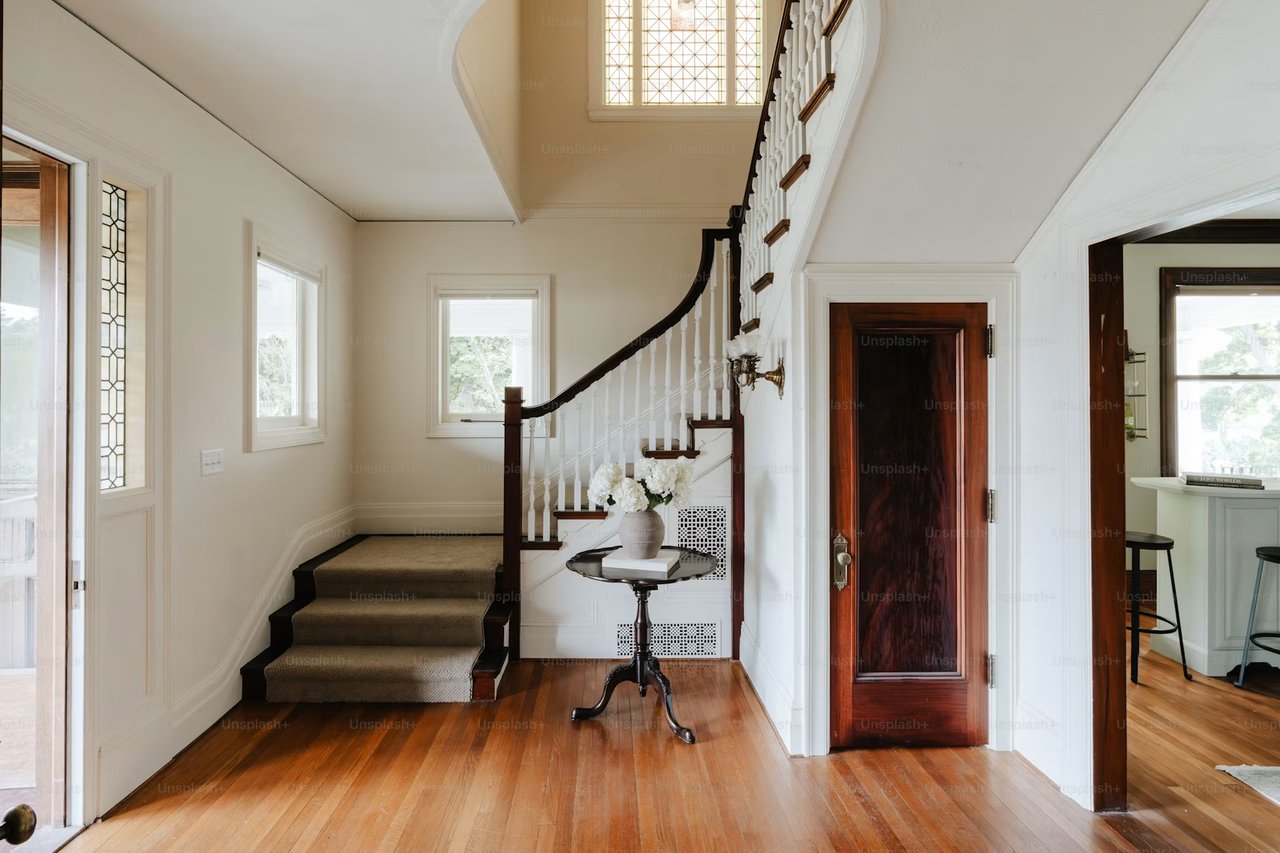
- Exposed wood beams and original timber framing
- Decorative tin ceilings or plaster moldings
- Solid wood doors and transom windows
- Original hardwood or pine plank floors
- Built-in cabinetry and period fireplace surrounds
These elements give a historic home its soul. Refinish and restore rather than replace wherever possible, and work with a preservation specialist who understands Aspen's architectural history.
Choose Materials That Belong in the Mountains
In Aspen, the surrounding landscape — the Elk Mountains, the Roaring Fork River, the aspens turning gold each fall — is always part of the design conversation. The materials you bring in should feel like they belong here.
Materials That Work in Aspen's Historic Homes
- Natural stone from Colorado quarries for countertops and fireplace surrounds
- Hand-troweled plaster walls in warm, earthy tones
- Reclaimed wood for accent walls or new built-ins that need to blend
- Wool, linen, and natural fiber textiles for upholstery and drapery
- Wrought iron hardware and fixtures that echo the Victorian era
Avoid highly synthetic surfaces or overly polished finishes — they tend to fight with the warmth and age of a historic structure.
Work With Color, Not Against History
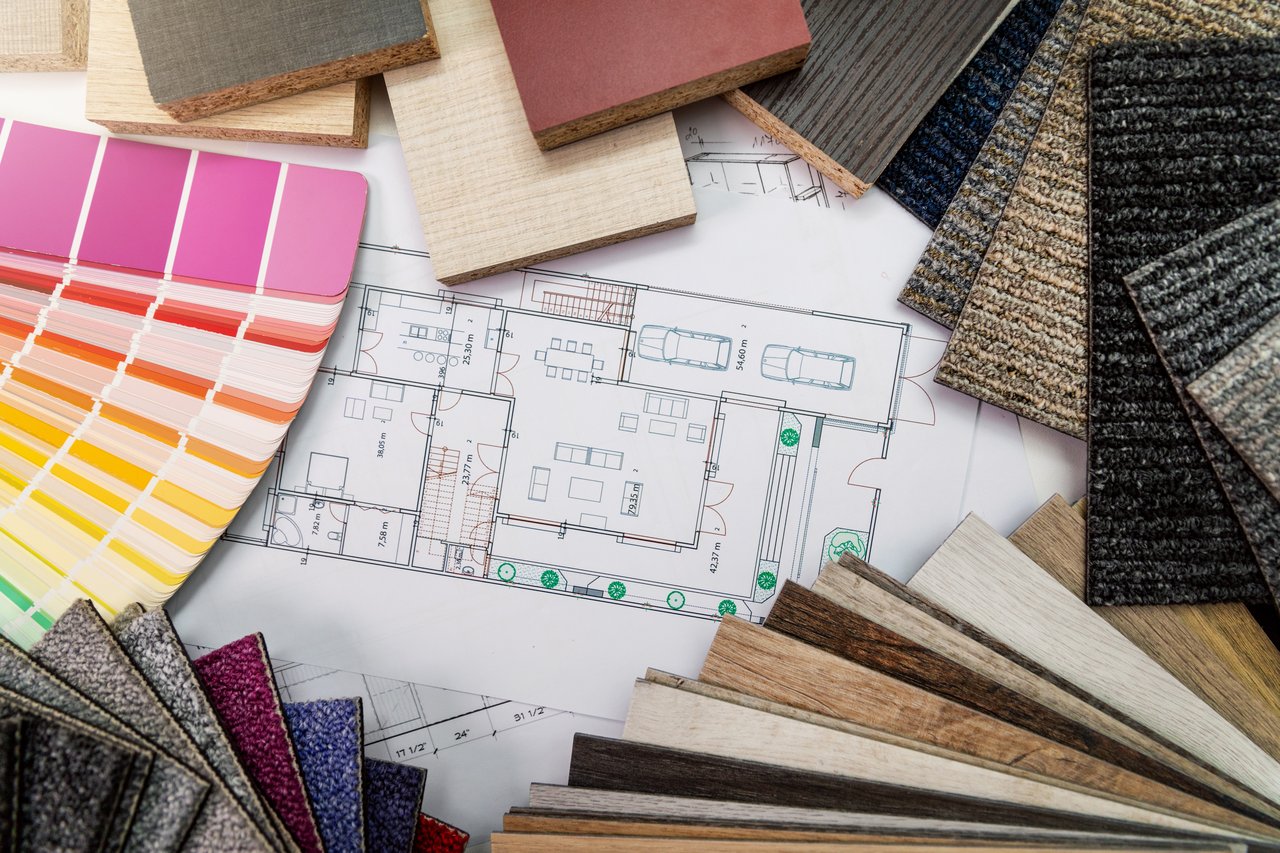
One of the most common mistakes I see is choosing a palette that reads as too contemporary for the architecture. Aspen's Victorian homes, many built during the silver mining boom of the late 1800s, are naturally suited to rich, layered color.
Color Palettes That Complement Victorian and Craftsman Architecture
- Deep forest greens and burgundy for dining rooms and libraries
- Warm whites and creams for trim, with contrasting wall tones
- Earthy ochres and terracotta in kitchens and sunrooms
- Slate blues and warm grays for bedrooms
- Accent tones drawn from the Maroon Bells palette — dusty rose, sage, and muted gold
Many paint brands offer historically accurate Victorian-era palettes that are period-appropriate and still genuinely beautiful.
Mix Eras With Intention
Successful historic home interior design in Aspen doesn't mean decorating as if it's 1890. The goal is a layered, curated feeling — like the home has been loved across generations.
Ways to Blend Old and New Successfully
- Anchor each room with one statement antique or period piece
- Use modern upholstered seating in classic, unfussy silhouettes
- Display local art — Aspen's gallery scene along Mill Street and Hopkins Avenue is exceptional
- Choose contemporary lighting that references historical forms: lanterns, pendants, and sconces
- Layer rugs — a worn Persian or Oushak under a modern sofa creates depth and warmth
Frequently Asked Questions
How Do I Know Which Original Features Are Worth Restoring vs. Replacing?
I always recommend starting with a structural and historical assessment before making any decisions. If a feature is original to the build or architecturally significant — like a Victorian staircase or original bay windows — it's almost always worth the restoration investment. The character it adds simply cannot be replicated by new materials.
Can I Add Modern Amenities Without Disrupting the Historic Character?
Absolutely, and I work through this regularly with clients on West End and Main Street properties. The key is thoughtful integration — radiant heat beneath original floors, smart home systems concealed within restored millwork, kitchens designed to echo the home's period details. Good design makes the new feel inevitable, not intrusive.
Do Historic Aspen Homes Have Renovation Restrictions I Should Know About?
Yes — many properties in Aspen's historic districts are subject to review by the Historic Preservation Commission. Before beginning any significant exterior or interior work, I recommend consulting with a local preservation specialist and reviewing the city's guidelines. I walk my clients through this process early so there are no surprises.
Connect With Soffia Wardy About Aspen's Historic Properties
Whether you're searching for a Victorian home in the West End or looking to make the most of a historic property you already own, I bring deep local knowledge and a genuine appreciation for Aspen's architectural heritage to every client relationship. From identifying the right properties to connecting you with the valley's best preservation and design specialists, I'm with you at every step.
Reach out to me at Soffia Wardy to start the conversation about what's possible for your Aspen home.