If you are drawn to mountain towns with real daily access to nature, Basalt stands out for a simple reason: life here is shaped by two rivers, not just views of them. At the meeting point of the Fryingpan and Roaring Fork rivers, Basalt offers a lifestyle that feels active, connected, and rooted in place. For buyers considering this part of the Roaring Fork Valley, understanding how the town is laid out can help you see why riverfront living here is about more than a single property line. Let’s dive in.
Why Basalt’s Two-River Setting Matters
Basalt’s identity begins at the confluence of the Fryingpan and Roaring Fork rivers. The town traces its origins to its early days as a railroad community, once known as Aspen Junction, with roots tied to Fryingpan Town near the old charcoal kilns. Basalt was incorporated in 1901, and that history still shows up in the way the town relates to water, movement, and public space.
Town planning documents describe Basalt as an inclusive and sustainable mountain and river community with historic charm and a progressive vision. They also point to three prominent areas where residents live: Historic Downtown, Southside, and Willits. For you as a buyer, that matters because the Basalt lifestyle is not concentrated in one pocket. It is spread across connected neighborhoods that each offer a different version of river-town living.
Riverfront Living Means Access
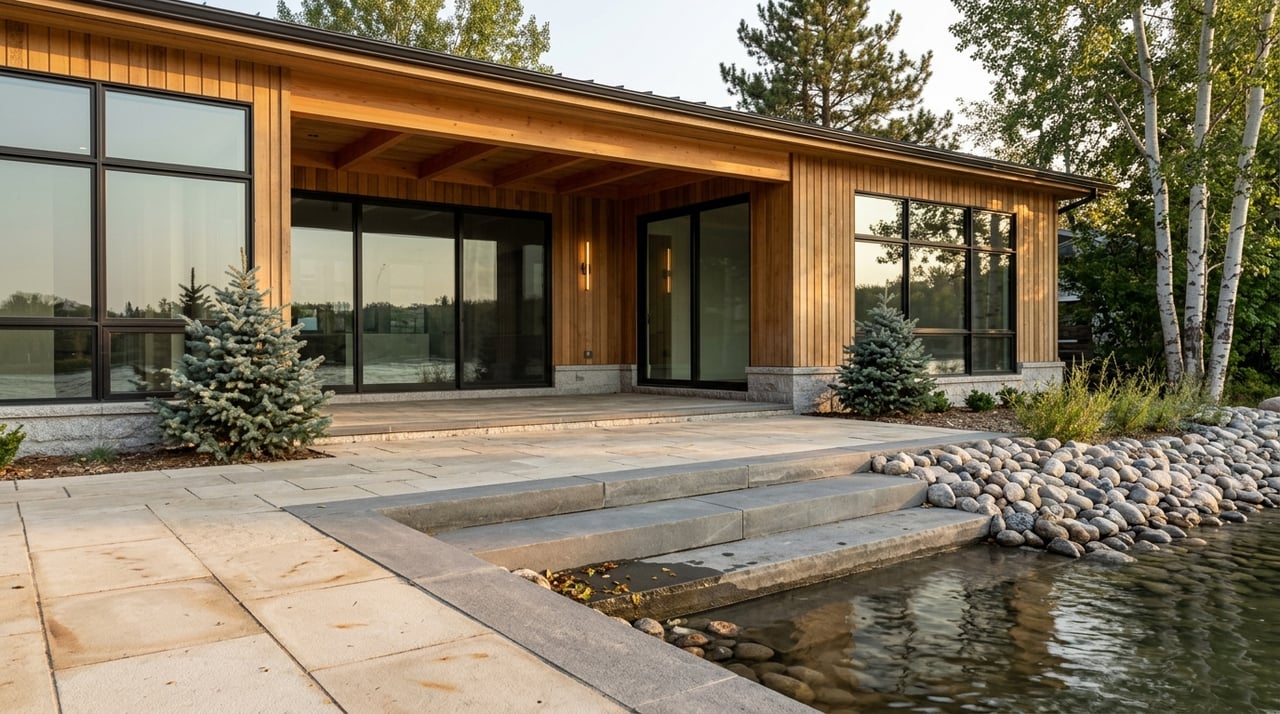
In Basalt, riverfront living is often less about owning a home directly on the water and more about having the rivers woven into your routine. Public parks, trails, fishing access, and connected roads make the water feel close and usable. That creates a lifestyle where nature is not a special outing, but part of an ordinary day.
This is a key distinction if you are comparing Basalt to other mountain towns. Here, the strongest value is often in how easily you can move between home, town amenities, and outdoor recreation. The rivers help shape the experience of living in Basalt, whether your home is in Historic Downtown, Southside, or Willits.
Historic Downtown and East Basalt
Historic Downtown and East Basalt offer some of the town’s clearest connections to its past and its river setting. Along the Roaring Fork River on Two Rivers Road, the town identifies a Narrowleaf Cottonwood corridor that adds to the natural character of the area. This part of Basalt feels especially grounded in landscape, history, and walkable access to public spaces.
Several parks reinforce that connection. Duroux Park, Fisherman’s Park, Midland Park, and Old Pond Park all support a river-oriented lifestyle. Old Pond Park includes a kid’s fishing pond and handicapped-access fishing, which adds to the sense that these spaces are designed for a wide range of everyday use.
Historic features are also part of the setting here. Arbaney Park includes the historic charcoal kilns and Arbaney Barn, and the Fryingpan Kilns at Arbaney Park are designated as a local historic landmark. For buyers who value character, this part of Basalt offers a blend of preserved local history, parks, and river access that feels distinct within the valley.
Getting Around the River Corridor
Basalt’s layout supports movement between neighborhoods and the river environment. The town’s wayfinding plan notes that Willits Lane extends Two Rivers Road and creates an east-west connection between Historic Downtown and Willits Town Center. It also follows the Roaring Fork River and passes destinations intended for walking, biking, and trail connections.
That planning matters in day-to-day life. It means scenic access is not isolated from the rest of town. Instead, Basalt is intentionally structured so you can move between neighborhoods, outdoor spaces, and daily destinations with relative ease.
The Outdoor Routine in Basalt
For many buyers, the two-river lifestyle becomes most visible in the daily outdoor routine. Basalt offers direct access to water, trails, and year-round recreation in a way that can support both full-time living and second-home use. If you value an active schedule, this is one of the town’s strongest advantages.
Fly Fishing That Shapes Daily Life
Basalt is especially notable for fishing access. Colorado Parks and Wildlife identifies the Fryingpan River as Gold Medal water from Ruedi Reservoir Dam to the Roaring Fork River. It also identifies the Roaring Fork River as Gold Medal water from the Fryingpan River to the Colorado River.
Colorado Parks and Wildlife notes that this stretch of the Roaring Fork offers quality-sized brown and rainbow trout, along with public access for shore, wade, and float anglers. For households that love fly fishing, that supports a lifestyle where the river can be part of a weekday plan, not just a weekend event. The state’s Fishing Atlas also helps users search for access points, stocked waters, special regulations, boat ramps, and stream gages with real-time data.
Trail Access Beyond the Water
The outdoor lifestyle in Basalt extends well beyond the rivers themselves. The Rio Grande Trail provides 42 miles of continuous multi-use trail from Glenwood Springs to Aspen, protected from vehicle traffic except at intersections. It is open to pedestrians, cyclists, horseback riders, and wheelchairs with restrictions.
In Basalt, the trailhead next to Basalt High School is the only potable water source on the trail. RFTA also notes that Class I and II e-bikes are allowed between Glenwood Springs and Emma Road in Basalt. For buyers, this adds another layer to the town’s appeal because trail use can fit into everyday routines, not only destination outings.
Willits and Modern Convenience
If Historic Downtown shows Basalt’s heritage, Willits reflects its more contemporary side. The town’s wayfinding plan describes Willits Town Center as a shopping, dining, and entertainment hub. It also identifies the Basalt Design Center as a major economic and employment center.
For you as a buyer, Willits may feel especially appealing if convenience matters as much as scenery. This area brings together services, errands, and evening plans in one part of town. That can be especially valuable if you want a lower-friction lifestyle with easy access to everyday needs.
Arts, Events, and a Walkable Rhythm
Willits is not just practical. It also adds cultural energy to Basalt. The Arts Campus at Willits, known as TACAW, describes itself as a 10,000-square-foot, net-zero venue for performances and events.
Its facility information notes that there are numerous dining options within walking distance, a WeCycle station outside the building, and the Willits Town Center RFTA stop three blocks away. Together, those details show how Basalt blends a river-town setting with a more connected, car-light rhythm in this part of town.
Transit and Local Mobility
Transportation options further support that convenience. Basalt Connect provides free on-demand rides to and from downtown Basalt, Willits, and nearby neighborhoods every day, with longer summer hours. RFTA’s Park & Ride information lists the Basalt Park & Ride with 217 spaces and connects it to Local Valley and BRT service.
If you divide your time between homes or simply want flexibility, these transportation options can be a meaningful advantage. They make it easier to enjoy the valley without relying entirely on driving for every outing or errand.
Choosing the Right Basalt Lifestyle
Basalt’s neighborhood structure gives buyers a practical way to think about the market. The town identifies Historic Downtown, Southside, and Willits as the main areas where most residents live. Each area offers a slightly different relationship to the two-river lifestyle.
Here is a simple way to think about it:
- Historic Downtown offers history, parks, and a strong sense of place near the river corridor.
- Southside sits within the broader connected fabric of town and can appeal to buyers who want access to Basalt’s amenities and outdoor lifestyle.
- Willits offers a more modern, mixed-use setting with strong convenience, events, dining, and transit connections.
For many buyers, the decision comes down to what matters most in daily life: character, convenience, recreation, or a blend of all three. Basalt works well because those qualities overlap more than they compete.
What Riverfront Living Really Means Here
The most compelling part of Basalt is that the two-river lifestyle is layered. You have historic streets and public parks in the east, river and trail access throughout town, and a newer convenience center in Willits. That mix gives Basalt a lived-in, usable quality that can be hard to find in resort-oriented markets.
If you are exploring homes in Basalt, it helps to look beyond the narrow idea of riverfront property. In many cases, the real value lies in proximity to public access, trail connections, parks, fishing water, and services that let you enjoy the setting on a regular basis. That is what makes Basalt feel both refined and deeply functional.
Whether you are searching for a full-time residence, a second home, or a property that supports an active mountain lifestyle, Basalt offers a compelling balance of natural beauty, local history, and modern ease. If you want thoughtful guidance on Basalt, riverfront homes, or the broader Roaring Fork Valley market, connect with Soffia Wardy (CO).
FAQs
What makes Basalt’s two-river lifestyle unique?
- Basalt sits at the confluence of the Fryingpan and Roaring Fork rivers, and the town’s parks, trails, fishing access, and neighborhood connections make the river environment part of everyday life.
What are the main neighborhoods in Basalt for homebuyers?
- The town identifies Historic Downtown, Southside, and Willits as the main residential areas, each offering a different mix of character, convenience, and access to recreation.
What river access is available in Basalt?
- Basalt has several river-oriented public spaces, including Duroux Park, Fisherman’s Park, Midland Park, and Old Pond Park, along with connected routes near the Roaring Fork River.
Why is Basalt popular for fly fishing?
- Colorado Parks and Wildlife identifies the Fryingpan River and the Roaring Fork River near Basalt as Gold Medal waters, with public access for shore, wade, and float anglers in the Roaring Fork stretch.
What is Willits like in Basalt?
- Willits is the town’s more modern mixed-use area, with shopping, dining, entertainment, event space, and transportation options that support convenient day-to-day living.
Is Basalt easy to get around without driving everywhere?
- Basalt offers free on-demand rides through Basalt Connect, RFTA service through the Basalt Park & Ride, and connections to walking and biking routes including the Rio Grande Trail.